
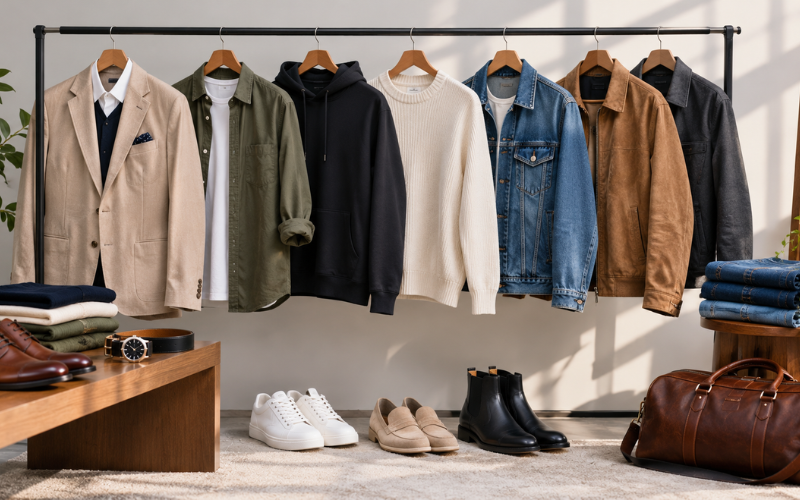
Clothing styles are the different ways people combine clothes, colors, fabrics, and accessories to create a look. Some feel relaxed and simple, while others are polished, expressive, or inspired by earlier decades. Understanding these differences can make getting dressed easier, especially when your wardrobe contains pieces you like but struggle to wear together.
Recognizing a style in a photograph is often easier than making it work in everyday life. You might admire a flowing bohemian outfit but prefer structured clothing, or enjoy streetwear without wanting oversized pieces from head to toe.
What Makes One Clothing Style Different From Another?
A clothing style comes from the overall combination of pieces. Shape and fit play a major role: a fitted jacket creates a different impression from a loose cardigan, even when both are worn with the same trousers. Structured clothing holds a clearer shape, while flowing fabrics move more freely.
Color, pattern, and texture add character. A checked wool skirt can suggest an academic influence, while a floral cotton skirt may feel more country-inspired. Shoes and accessories can shift either outfit in another direction. Loafers, chunky boots, and delicate sandals each change the result.
Personal style is the pattern of choices you enjoy returning to. A fashion trend is a look that gains attention for a period. A dress code sets expectations for a particular setting, such as a workplace or wedding.
These ideas overlap, but they serve different purposes. Someone with a minimalist style can dress casually or formally, and a classic wardrobe can include a few trend-led pieces.
16 Clothing Styles and the Pieces That Define Them
Casual
Casual style centers on relaxed, practical clothing for everyday activities. Jeans, T-shirts, sweatshirts, and comfortable shoes are useful starting points. Fit and condition help these basics look considered. Try straight-leg jeans with a plain T-shirt, an open cotton shirt, and clean sneakers for an easy weekend outfit.
Classic
Classic style favors familiar shapes, balanced proportions, and understated details. Button-front shirts, tailored trousers, blazers, and loafers often form its foundation. The effect is polished without needing much decoration. Wear navy trousers with a white shirt and brown loafers, adding a simple belt to bring the outfit together.
Minimalist
Minimalist clothing styles use clean shapes and limited visual detail. Pieces often share a coordinated palette, although minimalism does not require wearing only neutral colors. Start with plain tops, simple trousers, and uncomplicated shoes. A cream knit with dark wide-leg trousers and flat leather shoes creates an understated outfit.
Preppy
Preppy style combines neat separates with schoolwear and sporting influences. Collared shirts, sweater vests, chinos, pleated skirts, and loafers are recognizable pieces. Stripes and checks can add interest. Try a blue button-front shirt beneath a lightweight sweater, paired with chinos and loafers for a tidy, approachable look.
Streetwear
Streetwear often features graphic clothing, sneakers, relaxed fits, and expressive combinations. Different versions can be bold or relatively restrained. A graphic T-shirt, roomy jeans, and a practical jacket make a useful starting point. Wear them with sneakers, keeping the rest simple if the shirt already draws attention.
Athleisure
Athleisure brings sports-inspired clothing into everyday outfits. Joggers, leggings, sweatshirts, and track jackets are common foundations. The aim is an easy combination that suits activities beyond exercise. Pair tapered joggers with a plain T-shirt, a lightweight jacket, and sneakers. Remember that an athletic appearance does not guarantee suitability for every workout.
Bohemian
Bohemian style often combines flowing shapes, textured fabrics, earthy colors, and patterned details. Loose blouses, long skirts, and woven accessories offer accessible starting pieces. Try a softly patterned blouse with wide-leg trousers and flat sandals. One textured bag can add character without requiring several layers of jewelry.
Romantic
Romantic style uses soft shapes and delicate details such as lace, small florals, gathers, or gentle draping. It can feel subtle rather than highly decorative. A softly gathered blouse is an easy introduction. Pair it with straight-leg jeans and ballet flats for a relaxed outfit with a romantic influence.
Vintage and Retro
Vintage clothing comes from an earlier period, while retro clothing is made to recall an earlier look. You can explore either through distinctive collars, prints, or trouser shapes. Try a secondhand vintage blouse with current jeans and loafers, or choose a newly made retro-print shirt for a similar influence.
Grunge
Grunge style draws on a deliberately relaxed, worn-in appearance associated with its music roots. Plaid shirts, faded denim, loose knits, and sturdy boots are familiar pieces. Start with an open plaid shirt over a plain T-shirt, straight jeans, and boots. Distressing is optional; relaxed layering can carry the look.
Punk
Punk style often features bold graphics, hardware, leather details, and visible customization. Its cultural roots go beyond appearance, so these pieces are visual cues rather than a complete definition. For an approachable outfit, combine black jeans, a graphic T-shirt, and boots with a jacket featuring personally chosen patches.
Gothic
Gothic style commonly uses dark colors, dramatic shapes, and contrasting textures, though it includes many variations. Lace, velvet, fitted jackets, and substantial boots can help establish the look. Try black trousers with a lace-trimmed top, a simple jacket, and ankle boots. Texture can provide interest within an all-black outfit.
Cottagecore
Cottagecore draws on an idealized countryside look, often using small florals, gathered shapes, soft knits, and linen. A floral skirt or loose cotton blouse offers an easy entry point. Wear a small-print skirt with a plain cardigan and flat ankle boots for a practical version of the aesthetic.
Dark Academia
Dark academia combines academic-inspired tailoring with a muted, often deeper palette. Checked trousers, collared shirts, sweater vests, and loafers are recognizable pieces. Start with brown checked trousers, a cream shirt, and a dark knit vest. Lighter fabrics can keep the same visual direction comfortable in warmer weather.
Western
Western style uses details associated with Western workwear and ranch clothing, including denim, snap-front shirts, and distinctive boots. You can introduce it through a single piece. Pair straight jeans with a plain top, a snap-front overshirt, and Western-inspired ankle boots. Additional themed accessories are optional.
Eclectic
Eclectic style brings together different influences through a personal sense of balance. Prints, textures, and pieces from different periods can all belong. Begin with a familiar outfit and introduce an unexpected element. A striped shirt, vintage floral skirt, and simple sneakers can feel connected when the prints share a color.
Similar Clothing Styles: How to Tell Them Apart
Classic and minimalist outfits can both look understated. Classic dressing places more emphasis on established pieces such as blazers and loafers, while minimalist dressing focuses on simplicity across the whole outfit. A classic look may contain several traditional details that a minimalist version leaves out.
Preppy and dark academia both use shirts, knitwear, and tailoring. Preppy combinations often feel brighter or sportier, while dark academia commonly favors muted colors, checks, and layered textures. Neither requires a fixed palette.
Bohemian and cottagecore styles share flowing fabrics and softer shapes. Bohemian outfits often feature mixed patterns and layered accessories, whereas cottagecore leans toward country-inspired florals, gathers, and simple knits.
Streetwear and athleisure overlap through sneakers, sweatshirts, and relaxed fits. Streetwear may place greater emphasis on graphic expression and proportions; athleisure builds more directly around sports-inspired clothing.
Vintage describes the age and origin of a garment, while retro describes its reference to an earlier look. Grunge and punk also share pieces, but grunge often feels loose and worn-in, while punk commonly uses sharper contrasts and deliberate customization.
How Do You Find Your Personal Clothing Style?
Start by examining the outfits you actually wear. Which trousers do you reach for repeatedly? Which tops make you feel comfortable without constant adjustment? These choices reveal more than clothes you admire but leave untouched.
Look for patterns in fit, color, fabric, and detail. You may discover that you prefer loose trousers, plain tops, and structured jackets. That combination already suggests a direction, even if it crosses several named styles.
Collect a small group of outfit images and identify what attracts you in each one. It might be the color pairing rather than the entire look. Then consider whether those ideas suit your climate, daily activities, and coverage preferences.
Choose a few descriptive words, such as relaxed, neat, and colorful. Use them to guide experiments rather than limit them. Your personal style becomes clearer through wearing clothes and noticing how they feel throughout the day.
Turning a Style You Like Into Everyday Outfits
Begin with one familiar piece, such as favorite jeans or trousers. Add something that introduces the style you want to explore: a tailored jacket for a classic influence, a textured blouse for bohemian dressing, or a graphic top for streetwear.
Next, consider the overall shape. If a loose top and wide trousers feel too bulky together, try a shorter top or a partial tuck. If you prefer a flowing shape throughout, keep it. Proportion is something to adjust to your taste, not a rule about which bodies can wear which clothes.
Shoes and accessories can finish the idea without requiring another clothing purchase. The same jeans and shirt can feel preppy with loafers or Western-inspired with cowboy boots.
When copying an inspiration image, recreate the relationship between pieces rather than every item. Your existing navy cardigan might serve the same purpose as the expensive gray knit in the photograph.
Mixing Clothing Styles With a Clear Sense of Direction
Choose one style as the foundation and introduce another through one or two pieces. This gives you a starting point when combinations feel confusing.
For example, tailored trousers and a plain shirt create a classic base. Adding sneakers and a relaxed bomber jacket introduces streetwear. Repeating a color between the jacket and shoes can help the pieces feel connected.
A romantic floral dress can work with grunge-inspired boots and a loose cardigan. The contrast becomes part of the outfit, while a shared dark tone can make the combination feel more settled.
Pay attention to comfort as well as appearance. If an outfit needs constant rearranging or makes ordinary activities difficult, change the troublesome piece. A successful mix should feel wearable, even when its elements are unexpected.
Adapting Your Style for Work, Weekends, and Special Occasions
Personal style can remain recognizable across different settings. Someone who enjoys minimalist clothing might wear simple trousers and a shirt at work, plain jeans and knitwear on weekends, and an unadorned dress or suit for an evening event.
Follow the actual dress code where one exists. A relaxed office may allow sneakers and denim, while a more formal workplace may require tailored clothing. For special occasions, the stated expectations help determine how far a casual influence can go.
Changing fabric, footwear, or tailoring often shifts the formality without changing the whole style. A casual cotton jacket and a structured wool jacket can serve different occasions within a similar color palette.
Weather matters, too. Replace heavy layers with lighter materials or preserve a style through color and detail. An inspiring photograph does not need to dictate what you wear through heat, rain, or a long commute.
Exploring New Styles Without Replacing Your Wardrobe
Try restyling before shopping. Wear a shirt open instead of buttoned, pair a dress with boots instead of sandals, or combine separates you usually keep for different occasions. These small changes can reveal possibilities already present in your wardrobe.
If something is missing, choose one useful addition rather than buying a complete look. A vest, patterned shirt, or different shoe shape may provide enough direction to test your interest.
Secondhand shopping can offer room to experiment, particularly with older designs or unusual details. Check measurements, condition, and care requirements so that an interesting find is also practical.
Before buying, imagine several outfits using pieces you own. Also picture a real day when you would wear the item. Clothing that fits your actual routine is more likely to become part of your style than something bought only for an imagined version of your life.
Conclusion
Understanding clothing styles gives you a language for noticing what you like and creating outfits with more confidence. The most useful ideas are those that suit your comfort, routine, and preferences.
Choose one favorite piece and try it with a different layer, shoe, or texture. Pay attention to how the outfit feels as you wear it. Over time, those practical discoveries can help you build a wardrobe that feels recognizably yours.
FAQs
1. Can you have more than one clothing style?
Yes. Many wardrobes combine casual, classic, sporty, or expressive influences. Different activities may bring out different preferences. A consistent approach to color or fit can connect those looks without making every outfit similar.
2. How can you find your style if you like many different looks?
Look for shared details across your favorite outfits. You might enjoy different aesthetics but repeatedly choose soft fabrics, strong colors, or loose shapes. Start with those preferences and test other elements gradually.
3. What is the difference between casual and smart casual?
Casual dressing centers on relaxed everyday clothes. Smart casual adds polish through pieces such as neat trousers, a collared shirt, a blazer, or refined shoes. Expectations vary by setting, so check the occasion’s guidance when available.
4. Can the same clothing item work across different styles?
Yes. A white shirt can feel classic with tailored trousers, preppy under a sweater vest, or relaxed with loose jeans. Styling, proportions, footwear, and surrounding pieces influence its role.
5. How can you try a new style without feeling dressed up?
Change one element of a familiar outfit. Try a different jacket, print, or pair of shoes before adopting several unfamiliar pieces together. Wearing the combination during an ordinary activity helps you judge whether it feels natural.
6. Is it normal for personal style to change?
Yes. Routines, tastes, comfort needs, and surroundings can change. You can keep useful favorite pieces while adjusting other parts of your wardrobe. There is no requirement to maintain the same look indefinitely.