
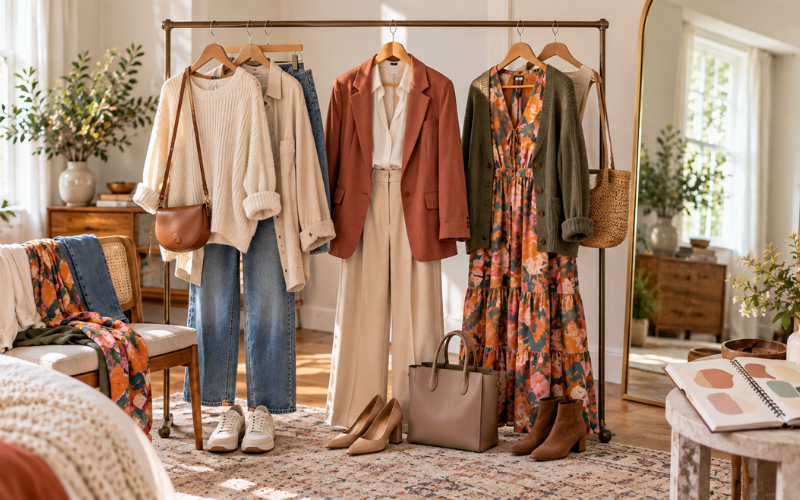
If you have ever opened your closet and felt that nothing quite suits you, a “what is my style” quiz may help you understand what you enjoy wearing. It asks about your clothing preferences, favorite colors, comfort needs, daily routine, and the outfits you feel good in. Your answers can reveal patterns you might not have noticed before.
A style quiz can suggest whether you are drawn to classic, casual, creative, minimalist, or other style directions. It may also point to particular colors, shapes, or clothing details that appeal to you. The result is not a rulebook or a label you have to follow. It is a way to reflect on your preferences and use them to make outfit choices that feel more like you.
What a “What Is My Style” Quiz Can Help You Discover
A personal style quiz is designed to help you notice what you are drawn to in clothing. Its questions may ask you to choose between different outfits, describe your favorite colors, or think about what you usually wear on an ordinary day. Each answer offers a small clue. Together, those clues can help you see patterns in your preferences.
You might find that you often choose simple shapes, soft fabrics, and neutral colors. Or you may prefer bright colors, bold prints, and unusual accessories. Some people like structured jackets and polished shoes, while others feel more comfortable in relaxed layers and practical footwear. A style quiz can help bring these preferences into focus.
Many quizzes also use broad style themes to describe their results. Classic style often points to clean lines and pieces that feel familiar and easy to combine. Casual style usually centers on comfort and clothes suited to everyday activities. A creative style may include playful colors, distinctive patterns, or unexpected combinations. Minimalist style often favors a smaller range of colors and simple shapes.
These themes are useful as starting points, but they do not describe everyone perfectly. You might enjoy classic clothes for work and more creative outfits on weekends. You may like a minimalist color palette but prefer relaxed, casual shapes. A “what is my style” quiz can show where your tastes overlap instead of expecting you to fit one category.
Your lifestyle also matters. Someone who walks a lot or works in a busy setting may prioritize comfortable shoes and clothes that are easy to move in. Another person may need outfits for formal events or an office. The same trend or style theme can look different depending on where, how, and how often you wear it.
Comfort is part of style, too. If you like the appearance of a certain outfit but avoid wearing it because it feels restrictive, it may not be the right choice for your everyday wardrobe. A useful quiz encourages you to think about how clothes feel as well as how they look.
How to Take a Personal Style Quiz
Before starting a style quiz, think about the clothes you reach for most often. Consider the outfits you feel comfortable wearing for a full day, not only the ones that look appealing in a photo. This can help you answer based on your real preferences rather than an idea of what your style is supposed to be.
When a quiz shows several outfit options, picture yourself wearing each one in your own routine. Would you feel comfortable sitting, walking, working, or spending time with friends in it? Is it a look you would choose regularly, or does it only seem interesting because it is new? There is no better answer. The point is to notice your honest reaction.
Try not to focus on a single trend. Trends can be enjoyable, but they do not always match what you feel like wearing long term. Instead, pay attention to features that appeal to you across different outfits. You may keep choosing loose shapes, dark colors, simple accessories, or soft layers even when the clothes themselves change.
It is also fine if more than one answer feels right. Personal style is rarely a single choice between two neat options. You may like the practicality of casual outfits and the tidy look of classic pieces. If the quiz allows it, choose the option that comes closest to your usual preference. If it does not, treat the question as a prompt rather than a test you have to pass.
Think about different settings as you answer. What you wear to work may differ from what you wear at home or on a day out, but some preferences may carry across all of them. Perhaps you often choose natural fabrics, prefer a certain fit, or like adding one colorful detail. Noticing those repeated choices can tell you more than concentrating on one special occasion outfit.
A “what is my style” quiz should feel like a useful reflection, not an exam. You do not need to know the names of fashion styles or understand every clothing term. Answer in a way that reflects what you like, what feels comfortable, and what works in your life.
What to Expect From Your Style Quiz Results
After you complete a quiz, the result may give you one main style direction or a combination of several. It might describe your preferences using broad terms such as casual, classic, creative, romantic, or minimalist. Some quizzes also offer suggestions for colors, clothing shapes, or outfit ideas.
Read the result as a summary of your answers, not a final judgment about who you are. A quiz cannot know everything about your taste, budget, culture, comfort, or daily needs. It also cannot predict how you will feel in clothes you have not tried. Its suggestions are most helpful when you compare them with your own experience.
As you read, ask which parts feel accurate. Perhaps the quiz picked up on your preference for simple outfits but missed your interest in bright accessories. Maybe you like the recommended colors but would choose a different fit. Keep the details that feel useful and leave the rest.
You can also look for ideas that connect several parts of your result. If the quiz suggests relaxed shapes, comfortable layers, and practical shoes, those details may point toward outfits that suit your everyday life. If it highlights polished pieces and a limited color range, you might explore ways to combine the clothes you already own in a more coordinated way.
Results can be mixed, and that is normal. One person may enjoy a neat, classic look but prefer relaxed clothes on most days. Another may like neutral basics and use colorful accessories to make an outfit feel more personal. Your own combination can be more useful than a single category name.
If the quiz result does not sound like you, that does not mean you answered incorrectly. The questions may have been too broad, or the quiz may not include the style details that matter most to you. Try comparing the result with outfits you actually wear and enjoy. Your own choices are more informative than a label.
Turn Your Quiz Results Into Everyday Outfit Choices
Once you have a result, look through your wardrobe before shopping. Notice which pieces you wear most and what they have in common. You might repeatedly choose soft sweaters, straight-leg trousers, patterned shirts, simple dresses, or comfortable shoes. These familiar clothes can show you which parts of the quiz result already fit your life.
Choose a few ideas to try rather than changing your wardrobe all at once. If the quiz suggests you prefer classic outfits, try combining a well-fitting top with trousers or a skirt you already own. If it points to a creative style, experiment with a color or pattern that is already in your closet. Small changes can help you test the idea without committing to a completely different look.
It can help to build outfits around pieces you feel good wearing. Start with one item you enjoy, then add clothes that suit its shape, color, or level of formality. A favorite pair of trousers might work with a casual shirt for an everyday outfit or with a more polished top for a different setting. The goal is to make your clothes work together in ways that feel natural.
You do not have to buy everything associated with a style theme. A quiz may mention a certain type of jacket or accessory, but that does not mean you need it. Consider whether it fills a real gap in your wardrobe, suits your budget, and fits your routine. If you are unsure, see whether you can create a similar outfit with something you already own.
Your preferred style should work for your comfort and daily needs. If a suggested outfit requires constant adjustment or feels wrong for the weather where you live, adapt it. You can borrow the color, shape, or overall mood without copying the entire look. Personal style works best when the clothes feel comfortable enough to wear in real situations.
You may find it helpful to save a few outfit photos or note what you liked about an outfit you wore. You do not need to create a detailed fashion plan. A simple record can help you notice patterns, such as preferring certain colors together or feeling more confident in relaxed shapes. Over time, those observations can make getting dressed easier.
Why Your Personal Style May Change Over Time
Your style can change as your life changes. A new job, different schedule, move to another climate, or change in daily activities may affect what you need from your wardrobe. Clothes that suited one stage of life may no longer feel practical, while styles you once overlooked may become more appealing.
Your preferences may also change simply because you have tried new things. You might discover that you enjoy a color you rarely wore before, or decide that a certain fit is more comfortable than you expected. Trying an idea does not require you to keep it forever. It is part of learning what works for you.
It is common to like parts of several styles. You might prefer simple outfits most of the time but enjoy a statement piece for a special occasion. You may wear formal clothes for work and relaxed ones at home. These differences do not make your style inconsistent. They reflect the fact that people dress for different settings and moods.
Retaking a “what is my style” quiz can be useful when you feel your preferences have shifted or you want fresh ideas. You do not need to take one regularly or follow a fixed schedule. If your clothes no longer feel suited to your routine, a quiz may help you think through what you want from them now.
Common Questions About “What Is My Style” Quizzes
Are online style quizzes accurate?
An online style quiz can offer a helpful starting point, but it cannot give a complete or exact description of your taste. Its result depends on the questions it asks and the choices it provides. Use it to spot possible preferences, then compare those suggestions with the clothes you enjoy wearing.
Can I have more than one personal style?
Yes. Many people like details from more than one style. You might prefer casual outfits for everyday activities and more polished clothes for work, or combine simple basics with colorful accessories. Your personal style can reflect all of those preferences.
What should I do if I do not relate to my result?
Look for any parts that feel useful, such as a suggested color or clothing shape, and ignore what does not fit. You may also want to try a different quiz with questions that better reflect your routine and preferences. The quiz is a guide, so your own experience should have the final say.
How often should I take a style quiz?
There is no set schedule. You might take one when your needs or preferences change, or when you want ideas for updating your wardrobe. If you are happy with the clothes you wear, there may be no reason to take another quiz.
Do I need to buy new clothes after taking a style quiz?
No. Start by looking at what you already own and seeing whether the result helps you combine those pieces in new ways. If you later decide to buy something, choose it because it fits your life, budget, and preferences rather than because a quiz recommended it.
Conclusion
A “what is my style” quiz can help you notice the colors, shapes, fabrics, and outfit details you tend to enjoy. Its results may offer useful ideas, but they are a starting point rather than a fixed label. Try what feels comfortable, adapt suggestions to your routine, and use the clothes you already own to explore your preferences. Your personal style can be simple, mixed, and changeable—and it should feel like yours.