
Introduction
Espadrilhas are lightweight casual shoes best known for their woven rope soles and soft fabric uppers. The name is commonly used for footwear known in English as espadrilles, while related terms such as alpargatas may also appear in Portuguese and Spanish-speaking regions. A traditional pair has a canvas or cotton upper attached to a flexible sole made from braided plant fiber.
These shoes remain popular because they offer a relaxed appearance that works well in warm weather. Available as flats, wedges, platforms, and lace-up designs, espadrilhas now suit many personal styles. Understanding their history, materials, comfort, sizing, and care can help shoppers choose a pair that looks good and lasts longer.
Espadrilhas at a Glance
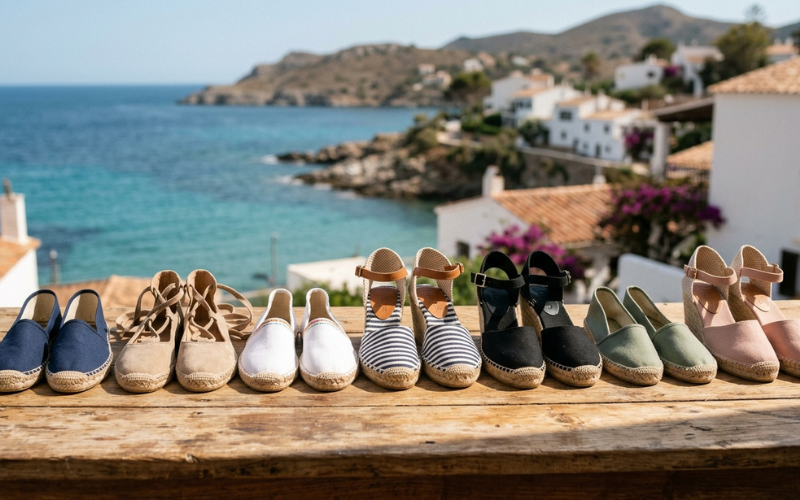
The clearest feature of espadrilhas is the visible braided sole. Traditional versions usually have a simple canvas upper and a flat rope base, although modern designs can include raised platforms, wedge heels, leather panels, buckles, and ankle straps.
Espadrilhas may appear delicate, but well-made pairs have tightly woven soles supported by an outer layer of rubber. This extra layer improves grip and protects the natural fiber from direct contact with the ground.
The Mediterranean Roots of Espadrilhas
Espadrilhas have strong historical links with the Pyrenean region between Spain and France. Rope-soled footwear was worn there for centuries by farmers, workers, and local communities because it was light, practical, and relatively affordable. Footwear specialists trace recognizable espadrille designs back to at least the medieval period.
Over time, the shoes moved beyond their working roots. Their simple shape became associated with Mediterranean summers, coastal living, and relaxed fashion. Designers later introduced more decorative versions, helping espadrilhas become internationally recognized footwear.
Traditional Materials and Construction
Classic espadrilhas were made with soles formed from esparto grass, a tough Mediterranean plant used for rope and woven goods. Many modern soles use jute instead because it can be braided easily and has an attractive natural color.
During production, plant fibers are twisted and braided before being shaped into a sole. The material is pressed, stitched, and often finished with a rubber bottom. The upper may then be sewn to the base by hand or machine. Traditional canvas and cotton remain common, but leather, suede, linen, and synthetic fabrics are also used.
Main Types of Espadrilhas
Flat espadrilhas are closest to the traditional style. They normally have a closed toe, low sole, and slip-on shape. Some include elastic sections or ankle ties for a more secure fit.
Wedge espadrilhas offer extra height while keeping the familiar rope-covered base. Platforms create height across the full length of the shoe, while lace-up designs use ribbons or cords around the ankle. Modern collections include options for women and men, from simple canvas pairs to polished leather styles.
Espadrilhas Compared with Similar Footwear
Unlike ordinary canvas shoes, espadrilhas are defined mainly by their rope or rope-covered soles. Sneakers usually have cushioned rubber soles and are designed for more active movement. Loafers have a structured upper and are commonly made from leather, while sandals leave more of the foot exposed.
Not every shoe with rope decoration is a traditional espadrille. Some modern designs use a standard foam sole with a thin jute wrap added for appearance. These shoes can still be described as espadrilha-inspired, but their construction differs from that of a true braided-fiber base.
Comfort, Fit, and Everyday Wear
Espadrilhas can feel light, breathable, and flexible, making them comfortable for casual summer use. Canvas uppers often soften after several wears, while the woven sole may gradually adjust to the foot.
However, comfort varies by design. Traditional flat pairs may provide less arch support and shock absorption than supportive walking shoes. Wedges can also place more pressure on the front of the foot. Espadrilhas are generally best for relaxed outings rather than running, hiking, or walking very long distances.
Choosing the Right Size and Fit
Sizing can differ between brands, so shoppers should check the individual size guide rather than relying only on their usual number. A new pair may feel slightly snug, especially when the upper is made from cotton canvas, but it should not squeeze the toes or cause pain.
The heel should remain secure without heavy rubbing. People with wide feet should look for flexible uppers, wider cuts, or adjustable straps. When shopping online, checking material details, customer fit notes, measurements, and the return policy can reduce the risk of ordering the wrong size.
Styling Espadrilhas for Different Occasions
Espadrilhas naturally complement warm-weather clothing. Flat neutral-colored pairs work well with jeans, shorts, linen trousers, casual skirts, and light shirts. They can create a relaxed look without appearing as informal as flip-flops.
Wedges and platforms can be paired with summer dresses, wide-leg trousers, or smart-casual outfits. Beige, navy, white, and black are versatile choices, while bright colors and printed uppers add a stronger seasonal touch. Leather styles often look more polished than simple canvas designs.
The Best Seasons and Settings for Espadrilhas
Spring and summer are the most suitable seasons for espadrilhas because their light construction and breathable uppers perform best in warm, dry weather. They are popular for holidays, resort stays, outdoor dining, and casual coastal trips.
Their main weakness is moisture. Heavy rain, wet grass, mud, and puddles can stain the fibers or weaken the shape of the sole. Even pairs with rubber bottoms should not be treated like waterproof footwear.
Quality Features Worth Checking Before Buying
A good pair should have even stitching where the upper joins the sole. Loose threads, visible gaps, weak glue, and uneven braiding may suggest that the shoes will wear out quickly.
The rope should feel firm and tightly packed rather than soft or easy to pull apart. A secure rubber outsole adds grip and durability. Buyers should also examine the lining, heel area, insole, and edges for rough sections that could irritate the skin. A higher price does not always guarantee quality, so the actual construction matters more than the label.
Cleaning and Caring for Espadrilhas
Canvas uppers can usually be cleaned carefully with a soft brush or damp cloth and a small amount of mild soap. The care label should always be checked first. Soaking the entire shoe or placing it in a washing machine may cause the rope sole to swell, weaken, or lose its form.
Leather uppers need a cleaner made for the specific type of leather. After cleaning, espadrilhas should be left to dry naturally in a ventilated area, away from direct heat. Paper placed gently inside can help maintain their shape. Store them only when completely dry.
Common Problems and Practical Solutions
A tight canvas upper may loosen slightly with normal wear, but painful shoes should not be forced to stretch. Heel rubbing can sometimes be reduced with thin socks, heel grips, or blister pads during the break-in period.
Fraying rope can be trimmed carefully if the damage is minor, but separating soles usually require professional repair. Odor can be limited by allowing the shoes to air between uses. Pairs that remain badly misshapen, cracked, or unstable after water damage may need replacement.
Sustainability and Responsible Production
Jute and other natural fibers can offer environmental advantages because they come from renewable plants. However, a natural-looking sole does not automatically make the entire shoe sustainable. Synthetic uppers, foam, adhesives, dyes, shipping, and short product life can all affect its overall impact.
Responsible shoppers can look for clear material information, durable construction, repair options, and credible details about production. Handmade espadrilhas may also support traditional skills, but broad claims such as “eco-friendly” should be checked instead of accepted without evidence.
Conclusion
Espadrilhas have developed from practical Mediterranean footwear into a varied warm-weather style. Their braided soles, lightweight uppers, and relaxed appearance make them easy to recognize and simple to wear.
The right pair should suit the wearer’s foot shape, intended use, and local weather. Checking the construction, choosing the correct size, and keeping the rope sole dry can improve both comfort and durability.
FAQs
1. Are espadrilhas the same as espadrilles?
Yes, the terms generally describe the same rope-soled footwear style. Espadrilhas is used in Portuguese-language fashion contexts, while espadrilles is the common English and French form.
2. Can espadrilhas be worn in the rain?
They are not recommended for heavy rain. Jute and rope can absorb water, leading to stains, odor, swelling, or changes in the shape of the sole.
3. Do espadrilhas stretch after wearing them?
Canvas uppers may soften and stretch slightly with regular use. Leather and synthetic materials behave differently, so shoes that are painfully tight should be exchanged rather than expected to expand significantly.
4. Are espadrilhas suitable for long walks?
Some cushioned modern designs may handle moderate walking, but traditional flat espadrilhas often provide limited arch support. Supportive walking shoes are usually better for long distances.
5. Can espadrilhas be washed in a washing machine?
Machine washing is generally unsafe because full soaking and agitation can damage the braided sole. Spot cleaning with mild soap and following the manufacturer’s care instructions is the safer approach.