
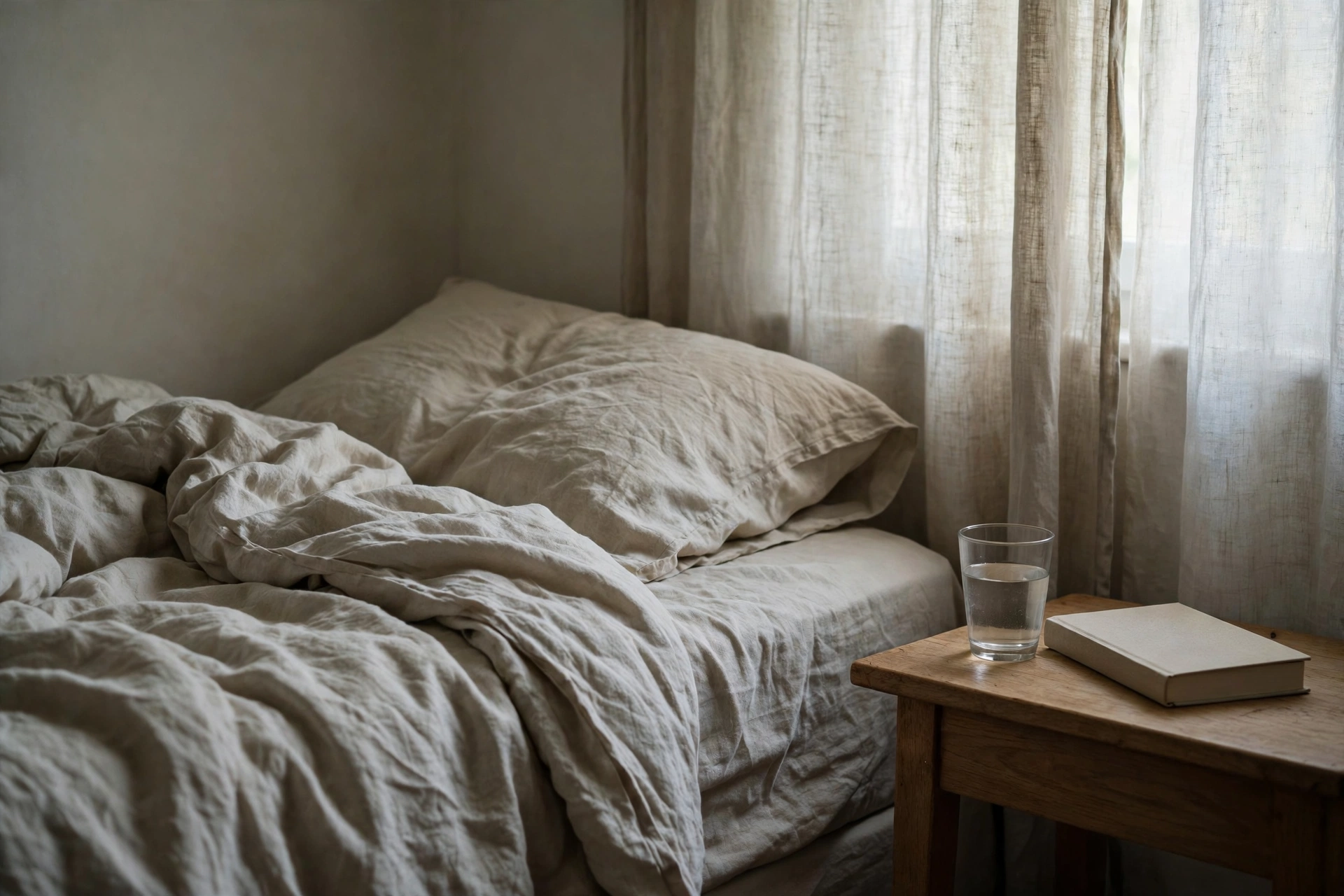
Sleep deprivation is a phrase most people recognize from experience, even if they have never used the words themselves. It is that heavy, foggy feeling after a short night, when simple tasks take longer and patience runs thin. A single poor night can leave anyone tired. Sleep deprivation usually means a pattern of too little sleep, or sleep that is broken and unrefreshing, over days or longer.
This article explains sleep deprivation in plain terms: what it means, why it happens, how it can affect daily life and mood, and which everyday sleep habits may help. It also explains when ongoing sleep problems are worth raising with a GP.
This article shares general information only. It is not medical advice, and it does not diagnose or treat any health condition. If sleep problems last for a while, affect daily life, or worry you, speak with a GP or another qualified health professional.
What Sleep Deprivation Means
Sleep deprivation means not getting enough sleep, or not getting sleep that restores you, for long enough that it affects how you feel and function during the day. It is not only about hours in bed. A person can spend a long time in bed and still feel unrested if sleep is broken again and again. During sleep, the brain organizes memories, mood steadies, and the body restores energy, so short or broken sleep can leave less energy in reserve the next day.
Sleep deprivation can be short term or longer term. Short term sleep deprivation often follows a few difficult nights, travel across time zones, a new baby, illness, or a busy period at work. Longer term sleep deprivation means poor sleep continues for weeks or months. Insomnia, a term often used for ongoing trouble falling asleep or staying asleep, can be one cause, but so can a noisy room, shift work, stress, or late caffeine.
How Much Sleep Adults Usually Need
Sleep needs vary from person to person, and they change with age. Children and teens need more sleep than adults, and older adults may sleep a little less or wake more often. For adults, the NHS notes that most adults need 7 to 9 hours of sleep.
A useful question is how you feel and function during the day. If you wake feeling rested most mornings and can focus on ordinary tasks without relying heavily on caffeine or naps, your sleep is probably meeting your needs. If you feel tired most days or struggle to stay awake in quiet moments, sleep may be falling short. Quality matters as much as quantity, because calm, unbroken sleep tends to feel more refreshing than the same hours broken by waking, noise, or light.
Common Causes of Sleep Deprivation
Sleep deprivation rarely has a single cause. More often, several small factors add up: a late bedtime, a restless mind, a bright or noisy bedroom, and a schedule that starts early the next morning. Stress and worry are among the most common causes. When the mind stays active at night, it can be hard to fall asleep, and waking in the night can turn into long stretches of thinking about work, money, family, or health.
Daily habits and surroundings play a large part too. Caffeine late in the day, alcohol in the evening, heavy meals close to bedtime, and bright screens late at night can all make sleep lighter or delay it. A bedroom that is too warm, too bright, or too noisy can cause waking, and shift work or travel across time zones can disturb the body clock. Health issues can contribute as well, including pain, breathing problems during sleep, and some medicines. The NHS insomnia page lists common causes of ongoing trouble sleeping, including stress, noise, room temperature, uncomfortable beds, caffeine, alcohol, shift work, and jet lag.
How Sleep Deprivation Can Affect Daily Life
The effects of sleep deprivation often show up first in ordinary moments. Mornings feel slow, and getting ready takes more effort. Concentration slips during meetings, reading, or driving, and small decisions feel harder. Tasks that are normally simple, such as cooking or keeping track of appointments, can take longer and need more checking. At work or school, it can be harder to learn new information, remember instructions, or stay engaged through a long task.
Home life can feel the strain too. Tiredness can shorten patience with family, partners, or friends, and plans may be canceled because rest feels more urgent than social time. Driving deserves special care, because feeling sleepy behind the wheel slows reactions and raises risk. It is important not to drive when sleepy and to plan rest and breaks for longer trips. These effects do not mean a person is failing. They are common signs that sleep has fallen short and that rest needs more protection in the daily routine.
Sleep Deprivation and Mood, Focus, and Memory
Mood is closely tied to sleep. After a short night, many people feel more irritable, more easily worried, or lower in mood. Small setbacks can feel larger, and it can be harder to put worries aside. Focus and memory suffer in similar ways, because sleep helps the brain store what was learned during the day.
The link between sleep and mental health runs in both directions. Poor sleep can worsen low mood and anxiety, and low mood and anxiety can make sleep harder. That does not mean every sleep problem is a mental health problem, or that better sleep alone resolves ongoing emotional difficulties. Sleep, mood, and stress are best looked at together. General background on the link between sleep and mental health is available from Mind. If low mood, worry, or sleep problems persist, a GP can talk through options, and a guide to how to choose a therapist explains what to ask when considering talking support.
Sleep Deprivation and Physical Health
Sleep deprivation can affect the body as well as the mind. Tiredness often brings headaches, sore eyes, low energy, and a general sense of heaviness. Appetite can change too: some people feel hungrier after poor sleep, reach for sweet or salty snacks, or drink more caffeine to stay alert. Energy for movement often drops, so exercise and outdoor time may be skipped, even though gentle daytime activity often supports better sleep.
Over the longer term, ongoing poor sleep is linked in general health guidance to a higher risk of several health problems, including heart and metabolic conditions. That link is a reason to take ongoing sleep problems seriously, not a reason to panic after a few bad nights. If sleep problems come with loud snoring, pauses in breathing, severe daytime sleepiness, or persistent pain, describe those details to a GP. A routine review, such as the one described in the guide to the NHS Health Check, can also be a useful chance to talk about general health, where that check applies.
Sleep Hygiene Habits That May Help
Sleep hygiene is a plain name for the habits and bedroom conditions that support good sleep. It is not a strict set of rules, and it does not need to be perfect to help. Small, steady changes are usually easier to keep than a complete overhaul, and one change at a time makes it easier to notice what helps. A regular sleep and wake time is often the most useful starting point, including weekends, because it helps the body clock settle into a steady rhythm.
The bedroom itself matters. A dark, quiet, and cool room supports sleep for most people. Curtains, blinds, or an eye mask can reduce light, and earplugs or soft background noise can help if outside noise is hard to control. A comfortable mattress, pillows, and covers make a real difference, as does keeping the bed mainly for sleep. Keeping phones and other screens out of reach, or at least silenced and face down, can reduce late-night checking that keeps the mind alert.
Building a Calmer Bedtime Routine
A bedtime routine is a short, calming sequence that signals to the body that the day is ending. It does not need to be long or elaborate. The value comes from repetition: doing similar calm activities, in a similar order, most nights, so the mind begins to wind down before bed. A helpful routine often starts about an hour before bed, with dimmed lights, bright screens turned off, and a quiet activity such as reading, listening to calm music, or taking a warm bath.
Caffeine, alcohol, and heavy meals are best avoided in the hours before bed, and a large meal late at night can make sleep feel restless. If sleep does not come after a reasonable time, lying awake and worrying about not sleeping can make rest harder. It can help to get up, go to another dimly lit room, and do something quiet until sleepiness returns. The CDC guidance on sleep offers similar general habits, including a regular sleep schedule and a quiet, cool bedroom.
Daytime Habits That Support Better Sleep
Good sleep is shaped by the whole day, not only by the hour before bed. Getting natural light in the morning, for example by opening curtains or taking a short walk outside, helps the body clock stay on track. Regular daytime movement, such as walking, cycling, or gardening, also supports sleep, although vigorous exercise is best finished well before bedtime. Balanced meals spread through the day help steady energy better than skipping meals and relying on sugary snacks and caffeine.
Stress during the day also follows people into the night. Short breaks, time outdoors, talking with a friend, and setting a clear end to work in the evening can all reduce the sense of carrying the day into bed. A light evening snack is fine for many people if hunger would otherwise disturb sleep, and ideas for simple snacks are shared in the guide to healthy options for snacks. None of these habits needs to be perfect. The aim is a steadier daily pattern that gives sleep a better chance, night after night.
Sleep Deprivation at Different Stages of Life
Sleep deprivation does not look the same at every age. Parents of babies and young children often face months of broken nights, and tiredness in that period is common and understandable. Steady routines, shared night duties where possible, and rest when the chance arises can help. Teenagers face a different challenge: their body clocks often shift later, while school start times stay early, and screens late at night can push bedtime later still.
Adults in shift work, caring roles, or jobs with long or irregular hours may find regular sleep hardest of all. Protecting sleep time during the day, keeping the bedroom dark and quiet, and keeping the pattern as steady as the schedule allows can reduce the impact. Older adults may sleep more lightly and wake more often, and pain, medicines, or health conditions can add to the picture.
When to Seek Help and Talk With a GP
Most short spells of poor sleep improve as stress eases, routines steady, or life calms down. Help is worth seeking when sleep problems last for a while, keep returning, or make daily life hard to cope with. The NHS advises seeing a GP if changing sleep habits has not helped, trouble sleeping has lasted for months, or sleep problems are affecting daily life in a way that is hard to manage.
Before an appointment, it can help to keep brief notes for a week or two: bedtime and wake time, waking during the night, daytime tiredness, caffeine and alcohol use, and any medicines taken. A GP will usually ask about sleep patterns, daily habits, mood, and general health, and will try to find what is driving the problem. Support may include advice on sleep habits, talking therapies, or referral for further assessment. This article does not recommend any medicine or treatment.
Frequently Asked Questions
What is sleep deprivation?
Sleep deprivation means getting too little sleep, or sleep that is broken and unrefreshing, over enough time that it affects how you feel and function during the day. Common signs include daytime tiredness, poor focus, irritability, and low energy, but those signs alone do not prove a cause, so ongoing problems are worth discussing with a GP.
How many hours of sleep do adults need?
Sleep needs vary, but the NHS notes that most adults need 7 to 9 hours. Children and teens need more. Daytime alertness, mood, and the ability to focus are useful guides alongside the hours in bed. A regular sleep and wake time and mostly unbroken sleep often matter as much as the total hours.
Can sleep deprivation affect mood and memory?
Yes, in general terms. Poor sleep can make people feel more irritable, worried, or low, and can make focus, memory, and decision making feel slower. The link runs both ways, because low mood and worry can also disturb sleep. Persistent problems should be raised with a GP.
Do naps help with sleep deprivation?
Short, earlier naps can ease tiredness for some people, but long or late naps can make nighttime sleep harder. If you nap, keeping it brief and finishing well before evening is usually the safer pattern. If naps are needed most days, it is worth looking at the overall sleep pattern and talking with a GP if the problem continues.
When should I see a GP about sleep deprivation?
See a GP if changing sleep habits has not helped, sleep problems have lasted for months, or poor sleep is making daily life hard to cope with. Seek advice sooner if sleep problems come with worrying symptoms, severe daytime sleepiness, or feeling sleepy while driving. Keep brief sleep notes before the visit to help the conversation.
Conclusion
Sleep deprivation is common, understandable, and often tied to the pressures and habits of everyday life. It means the body and mind have not had enough steady, restorative sleep to recover, and the effects can touch mood, focus, memory, energy, and relationships. Recognizing the pattern is a useful first step, because it turns vague tiredness into something that can be looked at clearly: causes, daily habits, bedroom conditions, and the regularity of the sleep schedule.
Steady habits give sleep the best chance. A regular wake time, a dark and quiet bedroom, a calm wind-down before bed, daylight and movement during the day, and care with caffeine, alcohol, and late screens all support more settled sleep. If sleep problems continue despite steadier habits, or if they affect daily life, mood, or safety, talk with a GP. This article is general information only, not medical advice, and it cannot replace a conversation about your own health.