
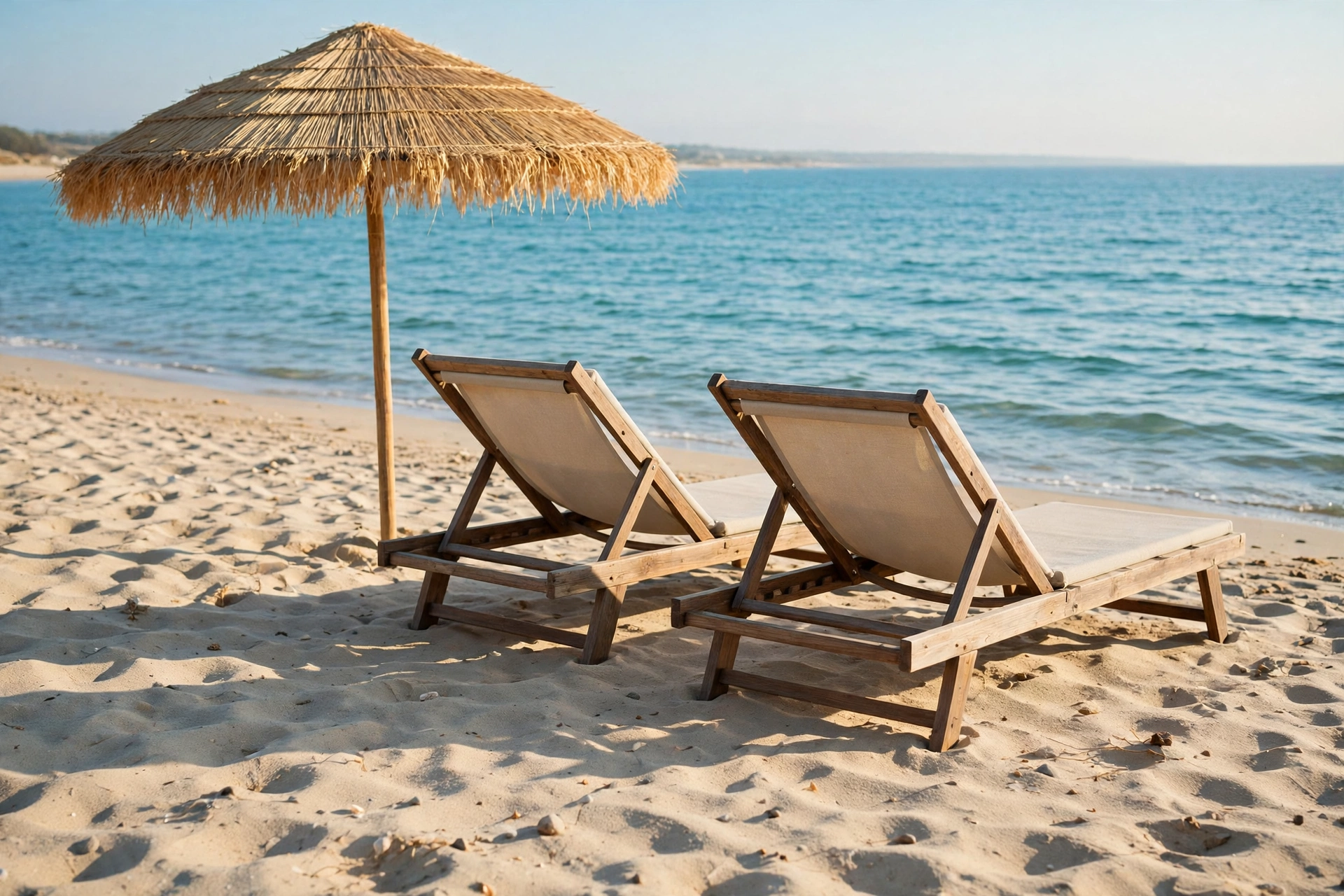
Sun and holidays go together in a simple way. For many travelers, the sun is the point of the trip: warm mornings, bright days, time outside, and evenings that stay light enough for a slow walk. Yet two sunny trips can feel very different. One can be calm and restful. Another can be busy and hot, with too much time in strong sun and too little rest. The difference is rarely luck. It usually comes from choosing the right kind of sunny trip, going at the right time, and planning the day around heat and shade.
This guide explains the sun-holiday idea in plain terms: how to choose a sunny destination, the main types of sun holidays, the best times to go, sun safety and heat, what to pack, and how to travel with family. It does not compare prices or rank deals, and it does not promise perfect weather. A sunny place can still have cloudy days, wind, or rain. The aim is a trip that fits the people going, the season, and the kind of days they want.
What Sun and Holidays Really Mean
A sun holiday is a trip where sunshine shapes the plan. The sun decides when to swim, when to walk, when to rest, and when to eat outside. On a good sun holiday, the day has a rhythm. Mornings are for the beach, a walk, or a nearby town. The middle of the day is for shade, a meal, or a quiet indoor visit. Late afternoon brings softer light for swimming or a walk by the sea. That rhythm matters more than any single sight, because it keeps energy steady across the whole trip.
Sun and holidays mean different things at different times of life. A couple may want quiet mornings and long dinners. A family with young children may want a short walk to the beach, shade close by, and an early dinner. Older travelers may want level ground and places to sit. The right choice is the one that matches the group, and it is worth deciding before a destination is chosen. Be honest about heat, too. A gentle first day, with shade, water, and rest, protects the rest of the trip.
Choosing a Sunny Destination That Fits You
Start with the kind of day you want, not with a photo of a beach. Do you want to swim first, then rest? Do you want to walk through a town, visit a market, and sit in a cafe? Do you want mountains, gardens, or a quiet coast? Will you stay in one place, or move between two bases? The answers narrow the map fast, and they prevent a common mistake: choosing a famous sunny place that does not suit the way you like to spend a day.
Next, think about distance, the coast, and local life. A short trip can suit a long weekend, while a longer trip can suit a winter sun escape. Some coasts have calm, shallow water for families; others have stronger waves or rocky shores for walkers. Some towns are flat, while others are steep. A base with markets, gardens, and walks as well as a beach gives the trip shape on windy days, and a cloudy morning does not ruin the day.
Beach, Island, City, and Winter Sun Holidays
Beach holidays are the simplest form of sun and holidays. The plan is built around one coast, one beach, and a base close to the water. Days are slow, with swimming, reading, walking, and meals near the sea. They suit travelers who want rest, and families when the beach is safe, shaded in parts, and close to food and restrooms. The key choice is the beach itself: calm water, natural shade, and a walk that does not feel long in heat.
Island holidays often feel slower, because the sea sets the edge of the map. Islands can offer beaches, cliffs, gardens, and small towns within short drives. Madeira holidays show a different island mood, with green mountains, ocean views, and walks rather than long sandy beaches. Some islands are best for walking and viewpoints, while others are best for swimming and quiet coves. Choose by what you want to do each day.
City sun holidays mix sunshine with streets, food, and culture. They suit travelers who like museums, markets, and old towns, and who do not mind planning around heat. The best city days start early, pause in the middle of the day, and return to the streets in the late afternoon. Holidays to Mexico show how a trip can pair a coast with inland cities and food, although a first trip often works best when one coast or one city does most of the work.
Winter sun holidays are trips in the colder months to find warmth, light, and time outside. Some winter sun places are mild, with warm days and cooler evenings, while others are hot and humid. Mild winter sun suits walking and gardens. Hot winter sun suits swimming, but it still needs shade, water, and rest in the middle of the day. Check the seasonal pattern for the exact place, because coasts and mountains can differ on the same day.
When to Go for Sun and Holidays
There is no single best time for sun and holidays, because sunshine, heat, wind, rain, and crowds change with season and place. A drier season often brings more settled weather and more visitors, while a shoulder season can bring greener landscapes, quieter beaches, and a higher chance of rain. Neither is wrong. The choice is about trade-offs. Shoulder seasons, just before and after the busiest period, often suit sun holidays well: warm days, a pleasant sea, and calmer towns.
For winter sun, early and late parts of the cold season can offer a calmer version of the same sunshine. For summer sun closer to home, late spring and early fall often give the best balance. Whatever the season, check the local pattern for wind and rain as well as temperature. Length of stay matters too. Three or four days suit a single beach or city. A week allows day trips. Ten days to two weeks allow a city plus a coast without rushing. Protect the first and last days, and keep the last day simple.
Sun Safety and Heat
Sun safety is part of planning, not an extra to think about on the beach. Strong sun can burn skin even on cloudy or windy days, and water and sand can reflect rays. The safest pattern is shade, clothing, and sunscreen used together. Spend time under trees, umbrellas, or indoors during the strongest sun. Wear a loose top that covers the shoulders, a wide-brimmed hat, and sunglasses that protect the eyes. Drink water regularly, plan active time for morning and late afternoon, and keep the middle of the day slow.
Sunscreen works best when used generously and often. The NHS sunscreen and sun safety guidance advises a sun protection factor of at least 30, with at least 4-star UVA protection, and warns against relying on sunscreen alone. Adults should aim for around 6 to 8 teaspoons when covering the whole body, apply it twice before going out, and reapply every 2 hours and straight after swimming or sweating. The Cancer Research UK sun safety guidance makes the same point: shade, cover up, and sunscreen with at least SPF 30 and 4 or 5 stars, reapplied regularly.
Children need extra care, as their skin is more sensitive. Keep babies under 6 months out of direct strong sunlight, dress children in loose clothing and hats, use shade often, and apply sunscreen to areas not covered by clothing. Watch for tiredness, dizziness, headache, or feeling unwell in heat, and move to a cool place and rest if they appear. Seek medical help promptly if symptoms do not ease. This article is general information only, not medical advice.
What to Pack for a Sun Holiday
Packing for sun and holidays is about layers, shade, and comfort. Pack light clothes in breathable fabrics, swimwear, a cover-up, and a light layer for evenings. Add a hat, sunglasses, and sunscreen, plus a small beach bag with water and a towel. Comfortable walking shoes matter as much as sandals, because sunny trips often involve more walking than expected, on sand, stone, and uneven ground.
A short packing list can keep the case focused:
- Light, loose clothing, swimwear, and a cover-up for the beach
- A wide-brimmed hat, sunglasses, and sunscreen with at least SPF 30
- A light jacket or layer for evenings, wind, and cooler rooms
- Comfortable walking shoes plus sandals that suit sand and water
- A reusable water bottle, a small day bag, and a dry bag for wet items
- Basic first aid items, any regular medicine, and copies of key documents
Take enough sunscreen for the trip, and keep medicine and key documents where you can reach them on the journey. The test for each item is simple: will it be used on a normal day, in heat, shade, or evening cool? If not, leave it out.
Sun and Holidays With Family
Family sun holidays work best when the plan fits the youngest and oldest travelers. A single base close to the beach, with shade, food, and rest nearby, often suits families better than a trip that moves every two days. Children need time to play, rest, and eat at regular times, and a steady base makes those routines easier. A beach with calm water and a short walk back to rest can turn a good day into a calm one.
Build family days around the sun, not against it. Start with a swim or walk in the morning, take a long midday break for lunch and rest, and return outside in the late afternoon. Evenings can be simple: a walk, a light meal, and an early night. Simple healthy dinner ideas can help when cooking at a rental, with vegetables, grains, and protein in balance. Keep choices small for children, bring water and snacks, and be ready to end a beach visit early. A short, happy visit beats a long, tired one.
A Simple Plan for a Relaxed Sun Holiday
A relaxed sun holiday needs a simple plan, not a full schedule. Choose a base that suits the group, a beach or town that can be reached easily, and one or two day trips that add variety without long travel. Leave most days open, with one main activity in the morning and one gentle activity in the late afternoon. Keep the middle of the day for shade and rest. This leaves room for weather, tiredness, and unplanned finds, such as a quiet cove or a favorite cafe.
Before travel, make practical checks early. Check passport validity and entry rules, read official travel advice, and arrange travel insurance as soon as plans are firm. Consider whether a routine health check is due; the guide to the NHS Health Check explains a free check for many adults in a certain age group, but eligibility varies, so a GP practice remains the right source for personal questions. On arrival, learn the local rhythm, find shade and safe swimming spots, and keep the first full day gentle.
Frequently Asked Questions
What is a sun holiday?
A sun holiday is a trip where sunshine shapes the plan, with warm days and time outside, built around the beach, the sea, a sunny city, or a warm island. It can be a beach stay, an island trip, a city break, or a winter sun escape, with active mornings, shade and rest midday, and gentle evenings.
When is the best time for sun and holidays?
The best time depends on the place and what matters most. Drier seasons often bring settled weather and more visitors, while shoulder seasons can bring warm days with fewer crowds. Check the seasonal pattern for the exact destination, including wind and rain, and choose dates that suit the days you want.
How can I stay safe in strong sun on holiday?
Use shade, clothing, and sunscreen together. Spend time in the shade in the strongest sun, cover up with loose clothing, a hat, and sunglasses, and use sunscreen with at least SPF 30 and at least 4-star UVA protection, applied generously and reapplied regularly. Drink water and rest midday. Sunscreen alone is not enough.
What should I pack for a sun holiday?
Pack light, loose clothing, swimwear, a cover-up, a hat, sunglasses, and sunscreen, plus a light layer and comfortable walking shoes. Add a water bottle, a small day bag, basic first aid items, and copies of key documents. Keep the list focused on items used on a normal day in heat, shade, or evening cool.
Are sun holidays good for families with children?
Yes, when the plan fits children and the pace stays gentle. A single base close to a calm beach often works best, with morning swims, a long midday break, and late afternoon time outside. Protect children with clothing, hats, shade, and sunscreen, and be ready to end a beach visit early if they grow tired.
Conclusion
Sun and holidays work best when the sun is part of the plan, not the whole plan. Choose a destination that fits the days you want, pick a season that suits heat and crowds, and build each day around shade, water, and rest. Pack light, use shade, clothing, and sunscreen together, and keep family days simple. Leave room for weather and unplanned moments. Warm light, calm water, good food, and time to look around, enjoyed slowly and safely, are more than enough for a trip worth remembering.