
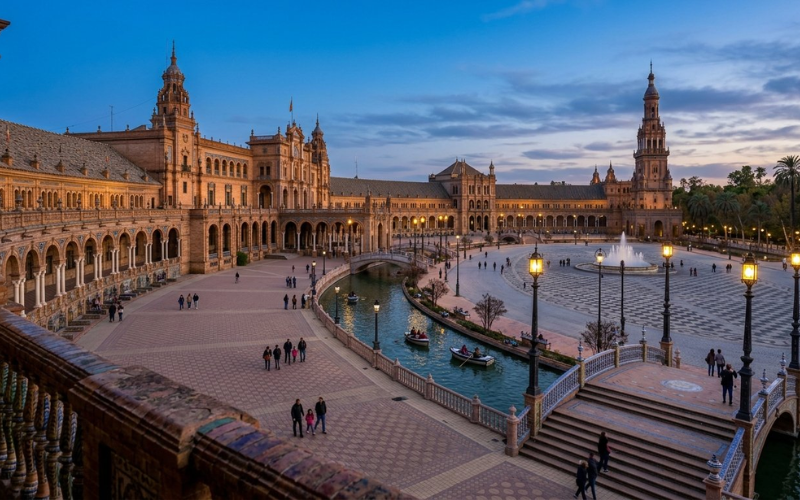
Spain is one of Europe’s most diverse travel destinations, offering a unique combination of history, culture, beaches, architecture, food, and local traditions. From ancient streets filled with historic buildings to modern cities known for art and innovation, Spain provides experiences for almost every type of traveler. Choosing the best cities to visit in Spain depends on what kind of journey you want to enjoy, whether you are interested in cultural discoveries, relaxing coastal views, world-famous landmarks, or authentic local life.
Each Spanish city has its own personality. Barcelona attracts visitors with its creative architecture, Mediterranean atmosphere, and famous attractions. Madrid offers the energy of a capital city with impressive museums, royal history, and lively neighborhoods. Meanwhile, smaller destinations such as Toledo and Granada provide a closer connection to Spain’s past through historic streets, traditional architecture, and cultural heritage.
The beauty of traveling through Spain is that no two cities feel exactly the same. Northern cities often have different landscapes and food traditions compared to southern destinations, while coastal cities combine city life with beaches and ocean views. Whether you are planning your first trip to Spain or returning to explore more regions, understanding the character of each destination can help you create a memorable experience.
Barcelona: A City of Iconic Architecture, Beaches, and Creative Energy
Barcelona is often one of the first cities travelers consider when exploring Spain, and it is easy to understand why. Located along the Mediterranean coast, the city combines beautiful beaches, historic neighborhoods, artistic influences, and unique architecture. Its atmosphere feels both traditional and modern, creating a destination where visitors can experience many sides of Spanish culture in one place.
One of Barcelona’s most recognizable features is its architecture. The city is famous for the work of Antoni Gaudí, whose creative designs have shaped Barcelona’s identity. Visitors can explore impressive buildings, detailed designs, and unusual structures that make the city different from many other European destinations.
Beyond architecture, Barcelona offers charming streets, outdoor markets, and neighborhoods filled with local character. Areas such as the Gothic Quarter provide a look into the city’s medieval past, while other parts of Barcelona showcase modern shops, restaurants, and cultural spaces.
Food is another important part of the Barcelona experience. Travelers can enjoy traditional Catalan dishes, fresh seafood, local markets, and a wide range of restaurants. The city’s coastal location also makes it a great place for travelers who want to combine sightseeing with time near the sea.
Madrid: Spain’s Capital Filled With Culture, History, and Urban Experiences
Madrid represents the heart of Spain, offering a different experience from coastal cities like Barcelona. As the country’s capital, Madrid is known for its grand buildings, cultural attractions, beautiful parks, and energetic city life.
One of Madrid’s biggest attractions is its connection to art and history. The city is home to some of Spain’s most important museums, where visitors can discover famous artworks and learn about the country’s cultural development. Historic locations, royal landmarks, and traditional neighborhoods add depth to the travel experience.
Madrid is also a city designed for enjoying everyday life. Locals often spend time in outdoor cafés, public squares, and parks, creating a welcoming atmosphere for visitors. Walking through the city allows travelers to discover hidden streets, local shops, and traditional restaurants.
The food scene in Madrid is another highlight. Visitors can experience classic Spanish dishes, local markets, and traditional dining experiences. The city is also known for its lively evenings, with many areas remaining active after sunset.
Seville: Discovering Andalusian Charm, Historic Streets, and Spanish Traditions
Seville offers a completely different view of Spain through its strong Andalusian identity, historic architecture, and traditional atmosphere. Located in southern Spain, the city is known for its warm climate, beautiful streets, cultural celebrations, and deep connection to Spanish traditions.
The city’s historic center is filled with impressive buildings, narrow streets, and charming squares. Visitors can explore areas that reflect centuries of different cultures and influences. Seville’s architecture shows the connection between Spanish and Moorish history, creating a unique visual experience.
Seville is also strongly connected to flamenco, one of Spain’s most famous cultural traditions. Travelers can experience performances, local music, and artistic expressions that represent the passion and emotion of Andalusian culture.
The city’s festivals and local traditions add another layer to the experience. Visitors often enjoy the colorful atmosphere, traditional food, and friendly local environment that make Seville memorable.
Valencia: A Coastal City Blending Modern Design and Mediterranean Life
Valencia is a city where old-world charm meets modern creativity. Located on Spain’s eastern coast, it offers beautiful beaches, historic neighborhoods, impressive architecture, and a relaxed Mediterranean lifestyle.
One of Valencia’s biggest attractions is its balance. Travelers can explore ancient streets and historic buildings while also discovering modern areas with innovative designs. This combination makes the city appealing to visitors who enjoy both tradition and contemporary experiences.
Valencia is also known as the birthplace of paella, one of Spain’s most famous dishes. Food plays an important role in the city’s identity, and visitors can experience local flavors through restaurants, markets, and traditional dining places.
The city’s coastal location provides opportunities for relaxation, while its cultural attractions offer plenty of sightseeing options. Valencia is often less crowded than some of Spain’s larger destinations, making it attractive for travelers who want a more comfortable pace.
Granada: A Historic Spanish City With Moorish Heritage and Mountain Views
Granada is a city where history and natural beauty come together. Located near the Sierra Nevada mountains, Granada is famous for its historic heritage, scenic views, and cultural importance.
The city’s most famous attraction reflects its rich past and architectural beauty. Visitors come to Granada to experience historic structures, traditional neighborhoods, and viewpoints that showcase the city’s unique landscape.
Granada’s streets provide a more relaxed experience compared to larger Spanish cities. Travelers can walk through old neighborhoods, discover local cafés, and enjoy the combination of mountain surroundings and historic charm.
The city also represents the cultural diversity that has shaped Spain over centuries. Its architecture, traditions, and atmosphere tell stories of different civilizations that influenced the region.
Bilbao: A Northern Spain Destination Known for Art, Food, and Modern Transformation
Bilbao shows a different side of Spain compared to southern destinations. Located in northern Spain, the city is known for its artistic attractions, impressive urban development, and strong food culture.
Over recent decades, Bilbao has become recognized as a cultural destination. Its modern architecture, museums, and riverside areas have helped create a unique city environment that blends tradition with innovation.
Food is an important part of life in Bilbao. The city is known for its local cuisine and connection to Basque culinary traditions. Visitors can explore restaurants and local food experiences that reflect the region’s identity.
Bilbao also offers access to beautiful landscapes in northern Spain, making it a good choice for travelers who enjoy combining city exploration with nature.
Malaga: A Mediterranean City With Beaches, History, and Coastal Beauty
Malaga is a popular coastal destination that combines sunshine, beaches, history, and cultural attractions. Located in southern Spain, the city provides a relaxed environment while still offering plenty of things to explore.
Visitors can enjoy seaside areas, historic streets, museums, and local restaurants. Malaga has developed into more than just a beach destination, offering a mix of cultural experiences and modern attractions.
The city’s pleasant climate makes it attractive for travelers looking for outdoor activities and coastal relaxation. At the same time, its historic areas provide opportunities to learn about the region’s past.
Toledo: A Timeless City Filled With Spanish History and Architectural Wonders
Toledo offers visitors the feeling of stepping into Spain’s past. Located near Madrid, this historic city is famous for its preserved architecture, ancient streets, and cultural importance.
The city reflects the influence of different civilizations that shaped Spain throughout history. Walking through Toledo allows travelers to discover historic buildings, traditional streets, and impressive views.
Although smaller than cities like Madrid and Barcelona, Toledo provides a deeper historical experience. It is an ideal destination for travelers who enjoy learning about heritage and exploring places with strong cultural identity.
San Sebastian: A Coastal Gem Famous for Scenery and Culinary Experiences
San Sebastian is a beautiful coastal city in northern Spain known for its beaches, landscapes, and excellent food culture. The city offers a peaceful atmosphere while still providing memorable experiences for visitors.
Its natural beauty is one of its biggest attractions. Travelers can enjoy coastal views, scenic walks, and relaxing moments by the sea.
San Sebastian is also highly respected for its culinary traditions. Food lovers often visit the city to experience local dishes and explore its unique dining culture.
For travelers looking for a smaller city with beautiful surroundings and memorable experiences, San Sebastian is an excellent choice among the best cities to visit in Spain.
Choosing the Right Spanish City Based on Your Travel Style
The best Spanish city for one traveler may not be the same for another. People interested in art and architecture may prefer Barcelona, while those looking for museums and city energy may enjoy Madrid. Travelers interested in traditions may find Seville appealing, while beach lovers may prefer Valencia or Malaga.
Trip length also plays an important role. A short visit may focus on one or two major cities, while longer journeys allow travelers to explore different regions and discover smaller destinations.
Budget, season, personal interests, and travel pace can all influence which cities create the best experience. Spain offers enough variety that almost every traveler can find destinations that match their preferences.
Best Time to Explore the Top Cities in Spain
Spain can be visited throughout the year, but the best time depends on the type of experience travelers want. Spring and autumn are often comfortable periods for sightseeing because temperatures are usually pleasant, and many cities are easier to explore.
Summer is popular for coastal destinations because of warm weather and beach activities. However, some areas can become busy during peak travel months.
Winter can also be a good time to explore major cities, especially for travelers interested in museums, food, and cultural attractions rather than beach activities.
Planning a Multi-City Spain Trip With the Best Destinations Included
Spain’s transportation network makes it possible to experience several cities during one trip. Many travelers combine major destinations such as Madrid and Barcelona with smaller cities like Seville, Granada, or Toledo.
Planning a multi-city journey requires considering travel time, interests, and the amount of time available. A balanced itinerary usually includes a mix of famous attractions, local experiences, and time to enjoy each destination without rushing.
Exploring different regions allows travelers to understand the variety that makes Spain unique. Each city adds another perspective on the country’s history, culture, and lifestyle.
Conclusion
The best cities to visit in Spain offer unforgettable experiences through their history, culture, architecture, food, and local traditions. From Barcelona’s creative energy and Madrid’s cultural attractions to Seville’s traditions and Granada’s historic charm, every destination provides something different.
Spain’s greatest strength is its variety. Travelers can enjoy modern cities, coastal escapes, historic towns, and authentic local experiences within one country. The ideal destination depends on personal interests, travel style, and the type of memories you want to create.
Whether you are planning your first Spanish adventure or discovering new regions, exploring these cities can help you experience the many different sides of Spain.
FAQs
1. What are the best cities to visit in Spain for first-time travelers?
Barcelona, Madrid, and Seville are popular choices for first-time visitors because they offer a combination of famous attractions, cultural experiences, history, and local traditions.
2. Which Spanish city is best for beaches and relaxation?
Cities such as Valencia, Malaga, and Barcelona are good options for travelers who want to combine city sightseeing with beach experiences.
3. How many cities should I visit during a Spain trip?
The number of cities depends on your available time. A shorter trip may focus on two or three destinations, while longer visits can include more regions and smaller cities.
4. What is the most beautiful city to visit in Spain?
Beauty is subjective, but cities like Barcelona, Granada, Seville, and San Sebastian are often appreciated for their architecture, landscapes, and unique atmosphere.
5. What is the best month to visit Spanish cities?
Spring and autumn are generally comfortable times for exploring cities because of pleasant weather and fewer crowds compared with peak summer months.