
Cuba holidays are not like a standard beach break. The island is large, the pace is slower, and the best days often come from simple moments: music from an open doorway, a walk through a colonial square in the morning, a view across green tobacco fields, or a long swim in warm, clear water.
This guide follows a Cuba-specific path through Havana, Trinidad, and Viñales, plus beaches that suit a restful finish. It covers music, food, places to stay, getting around, seasons, and practical checks. Rules and services can change, so check official sources close to departure, especially for entry, money, and health advice.
Why Cuba Holidays Feel Different
Cuba is the largest island in the Caribbean, and that size matters. One trip can include a busy capital, a preserved colonial town, a farming valley, and a beach, and each place can feel distinct.
Daily life is close to the surface: people sit outside in the evening, music is played live, and many visitors stay in family homes where hosts share local knowledge.
Cuba needs more planning than a compact island trip. Madeira holidays, for example, can be based in one town with short day trips. Cuba works better with two or three bases and rest days built in. Nine properties in Cuba are listed by UNESCO, including Old Havana, Trinidad, and the Viñales Valley, and the UNESCO list for Cuba shows how much heritage sits in the places most visitors already plan to see.
Havana: Old Streets, Music, and the Malecon
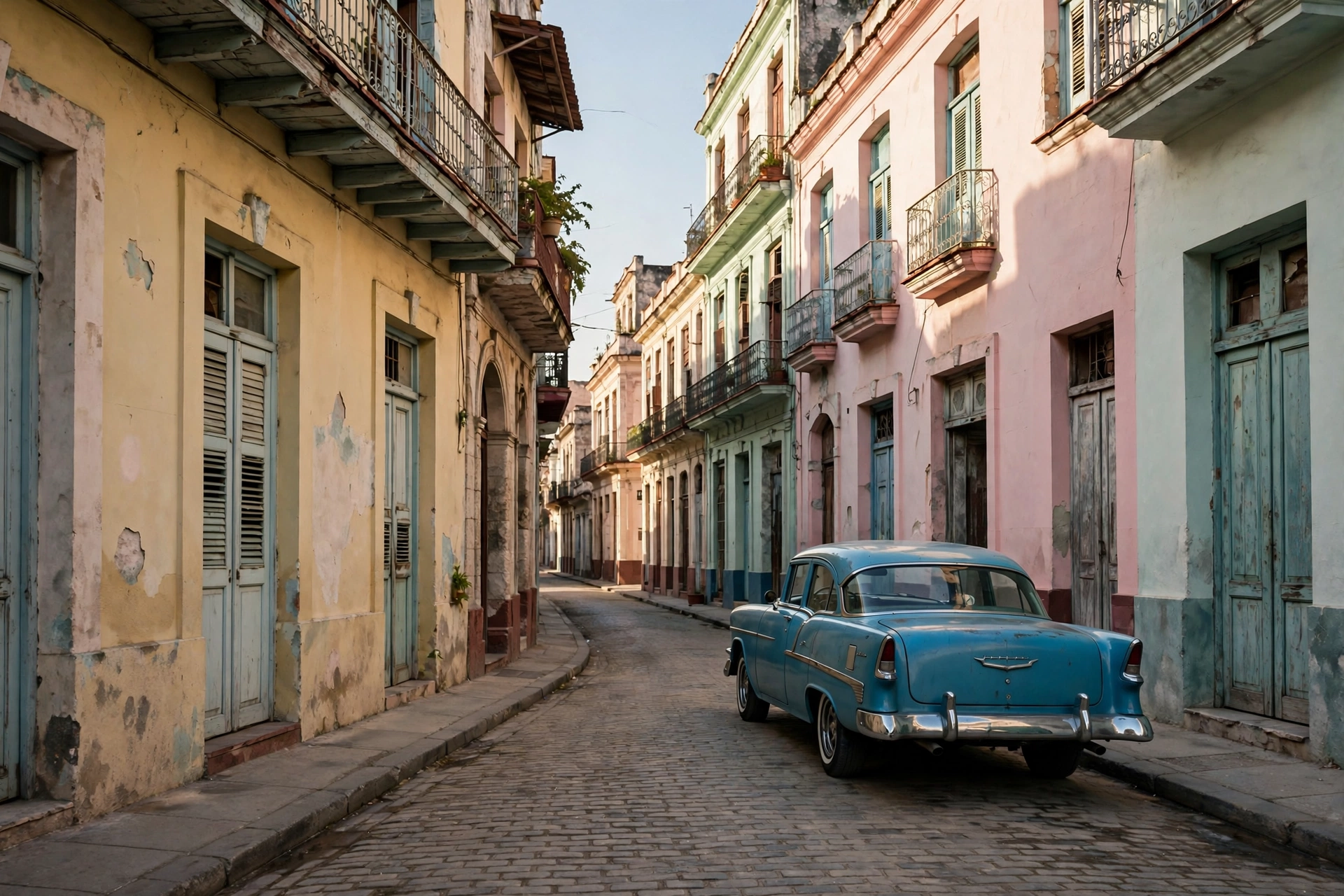
Havana is the capital and the natural start for most visitors. Old Havana, known as Habana Vieja, holds the colonial core: narrow streets, pastel buildings, grand squares, churches, and forts. Old Havana and its fortification system were listed by UNESCO in 1982.
Start with the main squares: Plaza de la Catedral, Plaza Vieja, Plaza de San Francisco, and Plaza de Armas. Each has a different mood, from quiet and shaded to busy with stalls and musicians.
Beyond the old center, the Malecon is the long seafront promenade where the city meets the sea, best walked at sunset. Vedado, to the west, has wider streets and cultural venues. A classic car ride can be fun, but walking remains the best way to understand Old Havana. The guide to the best places to visit in Cuba places Havana first for art and architecture. Allow at least two days here.
Trinidad: A Colonial Town That Moves Slowly
Trinidad, on the south coast in central Cuba, is one of the best preserved colonial towns in the Caribbean. It was listed by UNESCO in 1988, together with the nearby Valley de los Ingenios, once a center of sugar production. The compact center has cobbled streets, pastel houses, and red tile roofs.
Plaza Mayor is the heart of the town. Around it stand the church, museums, and handsome colonial houses that once belonged to wealthy sugar families. Museums explain how sugar shaped Trinidad, and viewpoints offer views over rooftops toward the mountains and sea. In the evening, music fills open-air venues near the center.
Trinidad also works well as a base for variety. Nearby Playa Ancon offers a beach within easy reach, while the Escambray Mountains offer walking and waterfalls. The Valley de los Ingenios, with its old sugar estates and the tall Manaca Iznaga tower, adds a sobering layer, because the wealth of the colonial houses was built on enslaved labor. Stay at least two nights: one day for the town, and another for the beach, the valley, or the mountains.
Viñales: Tobacco Fields and Limestone Hills
Viñales, in Pinar del Rio province in western Cuba, offers a complete change of scene. The valley was listed by UNESCO in 1999. Steep limestone hills called mogotes rise from flat, fertile fields where tobacco and coffee grow.
The best way to see Viñales is slowly and outdoors. Walk, cycle, or ride on horseback through the valley, following quiet tracks between fields and small farms. Visit a tobacco farm to see how leaves are grown, dried in traditional curing barns, and rolled. Respect working farms: ask before taking photographs of people, stay on paths, and follow your host or guide.
Caves add another layer: some can be explored on foot, and one includes a short boat ride through an underground river. Many visitors stay in casas particulares here, where hosts help arrange walks, rides, and farm visits. Two nights give you a full day in the valley without rushing.
Beaches: Varadero, Playa Ancon, and the Cayos
Cuba has long beaches with pale sand and warm, clear water, and a beach finish suits many Cuba holidays. Varadero is the best known beach area, with a long stretch of white sand, calm shallow water in many spots, and a wide range of places to stay.
Playa Ancon, near Trinidad, offers a different mix: culture and beach in one base. You can spend the morning in Trinidad and the afternoon swimming, or split your stay between town and coast. The beach is quieter than Varadero, and for many travelers this pairing is the best balance on a first trip.
The cayos, small offshore islands on the north coast, offer another style of beach holiday. Cayo Coco, Cayo Guillermo, and Cayo Santa Maria are known for turquoise water, wide beaches, and resort stays reached by causeways from the mainland. Choose by mood: town life points to Playa Ancon, a simple resort beach points to Varadero, and a remote island beach points to the cayos. Wherever you swim, follow local signs and respect flags and currents.
Music, Dance, and Everyday Culture
Music is everywhere in Cuba, and it is one of the strongest reasons to visit. Son, salsa, rumba, danzon, and Afro-Cuban jazz all have deep roots here, and live music is a normal part of evenings in Havana, Trinidad, Santiago de Cuba, and Matanzas. Sit, listen, and enjoy the moment before reaching for a camera.
Dance goes with the music. A short salsa lesson can be a joyful way to start an evening, even for beginners. Rumba, with roots in Afro-Cuban culture, is powerful to watch and hear, especially in community settings where it is part of local life rather than a show for visitors alone.
In Trinidad, needlework and handmade clothing are sold in markets and workshops. In Havana, galleries and street art show a lively contemporary scene. Santiago de Cuba, in the east, has a distinct Caribbean energy, but it is a long journey from Havana, so save it for a longer trip. Learn a few Spanish greetings, ask before photographing performers, and pay fairly for crafts and music.
Food and Drink: Simple Plates, Strong Flavors
Cuban food is simple, filling, and shaped by Spanish, African, and Caribbean influences. Many meals center on rice and beans, known as congrí or moros y cristianos when cooked together. Ropa vieja, shredded beef cooked slowly with tomato, peppers, and onion, is a classic dish.
Paladares, family-run private restaurants, are often the best places to eat. Casas particulares also serve home-cooked meals, and eating with your hosts can be one of the warmest parts of a stay. Drink bottled or treated water where guidance recommends it, and be careful with ice and raw food where water quality is uncertain.
The mojito and the daiquiri are famous, and both are best enjoyed slowly in a bar with live music. Drink alcohol in moderation, eat first, and do not drive after drinking. For balance on the road, choose grilled fish, chicken, beans, rice, and salad where you can. Our guide to healthy dinner ideas explains that balanced plate pattern in plain terms, and it is easy to apply in Cuba.
Where to Stay: Casas Particulares and Hotels
Where you stay shapes how much of Cuba you see. Casas particulares, private homestays in family homes, are a defining part of Cuba holidays. Hosts often provide breakfast, help with transport and activities, and share honest local advice. Check what is included, whether the bathroom is private, and how meals work.
Hotels range from historic hotels in Havana to large beach resorts in Varadero and the cayos. Historic hotels suit travelers who want a central location and full services. Beach resorts suit travelers who want meals, pools, and activities in one place.
Book early, since the best places fill quickly. Confirm your booking close to departure, and carry the address in Spanish for taxi drivers. Pack light where you can, since you may move between bases, climb stairs in older buildings, and walk on cobbled streets.
Getting Around Cuba Without Stress
Getting around Cuba takes patience and flexibility. Long-distance buses connect major towns and are a practical choice for many travelers. Private taxis and shared taxis, sometimes called colectivos, cover routes between towns and can be arranged through casas and hotels. Rental cars offer freedom, but fuel shortages can make long drives difficult. Check current conditions before choosing to drive.
Within towns, walking is often best. Havana Vieja, Trinidad, and Viñales town are compact and rewarding on foot. Agree on the fare before you set off where fares are negotiated. Allow buffer time between connections, since journeys can take longer than expected.
For a first trip focused on Havana, Viñales, Trinidad, and a beach, ground transport is usually enough. Keep days simple: one major move per day, a rest day after a long journey, and no major sightseeing on arrival day.
When to Go: Seasons, Weather, and Crowds
Cuba has a warm tropical climate all year, with two main seasons. The dry season runs from November to April, with lower humidity, less rain, and more settled weather for walking, sightseeing, and beach days. This is the most popular time to visit, so book early.
The wet season runs from May to October. It is hotter and more humid, with heavy showers, often in the afternoon, that usually pass quickly. The hurricane season runs from June to November, with the highest risk in late summer and early autumn. A storm can disrupt transport, so travelers in this period need flexibility and travel insurance that covers disruption.
For a first trip, the dry season is the simplest choice. If you travel in the wet season, plan early starts and fewer tight connections. Pack sun protection, light clothing, a rain jacket, walking shoes, swimwear, and a layer for cooler evenings.
Practical Information: Entry, Money, Health, and Safety
Practical checks matter more in Cuba than in many beach destinations, so do them early and check official sources again close to departure. The GOV.UK entry requirements for Cuba explain passport validity, tourist visa and tourist card rules, the advance passenger information form, and customs rules in general terms. Check the guidance for your own circumstances, and keep copies of key documents.
Money needs careful planning. The official currency is the Cuban peso. Exchange money only through official exchange houses, and check current guidance on payment options before you travel. Carry enough cash for daily needs, keep cash and cards in separate places, and confirm how payment works before arrival.
Check official health guidance for recommended vaccinations and precautions, carry insect repellent and sun protection, and take care with food and water hygiene. Travel insurance that covers medical care and disruption is important, and you may be asked to show proof of medical insurance on entry. Pack regular medicine in hand luggage with copies of prescriptions.
Use normal care: keep valuables out of sight, avoid walking alone late at night in unfamiliar areas, and follow local guidance on swimming and roads. Do not take photographs in military zones, and do not bring drones into Cuba, since they are not allowed and will be confiscated on arrival. If you compare ways to book, our guide to holiday packages explains what to check in inclusions, terms, and financial protection in general terms.
Planning a Simple Cuba Itinerary
A simple itinerary works better than a long list. Seven days can cover Havana, Viñales, and a beach finish, or Havana, Trinidad, and Playa Ancon. Ten days allow Havana, Viñales, Trinidad, and a beach, with rest days in each base.
A relaxed ten-day shape: three nights in Havana, two in Viñales, three in Trinidad with a beach day at Playa Ancon, and two at a beach base such as Varadero. Shorter trips can drop one base and add the nights to the places that remain.
Keep the first and last days simple. Arrive, settle in, and take a short walk rather than a full tour. If you want a different kind of comparison, holidays to Mexico show how another large, varied country can be planned around one coast and one inland base. The lesson is the same: choose a route, keep the pace humane, and leave room for moments you did not plan.
Frequently Asked Questions
Do I need a visa for Cuba holidays?
Many visitors need a tourist visa, also known as a tourist card, before travel, and must also complete an advance passenger information form and show proof of onward or return travel. Check current official entry requirements for your own circumstances well before you book.
When is the best time for Cuba holidays?
The dry season, from November to April, is usually the simplest choice, with more settled weather for walking, sightseeing, and beach days. The wet season, from May to October, is hotter and more humid, with a higher storm risk from June to November.
How many days do I need in Cuba?
Seven days suit a focused trip with two bases, such as Havana and Viñales plus a beach, or Havana and Trinidad plus a beach. Ten days allow Havana, Viñales, and Trinidad with a beach finish and rest days.
Is Cuba good for a beach holiday?
Yes, if you choose the beach to match your trip. Varadero suits an easy resort beach stay, Playa Ancon pairs well with Trinidad, and the cayos suit a quiet island beach stay.
Should I stay in a casa particular or a hotel?
A casa particular suits travelers who want local advice, home-cooked meals, and a closer sense of daily life, while a hotel suits travelers who want full services or a resort stay. Many trips mix both.
Conclusion
Cuba holidays work best when you travel slowly and let each place speak for itself. Havana gives you history, art, and music in grand squares and busy streets. Trinidad gives you a colonial town to walk, learn from, and enjoy at night. Viñales gives you green fields, limestone hills, and farming life at a gentle pace. The beaches give you rest and warm water.
Choose two or three bases, build in rest days, and leave room for music, food, and unplanned stops. A few places visited well give a clearer sense of the island than a hurried tour of everything.