
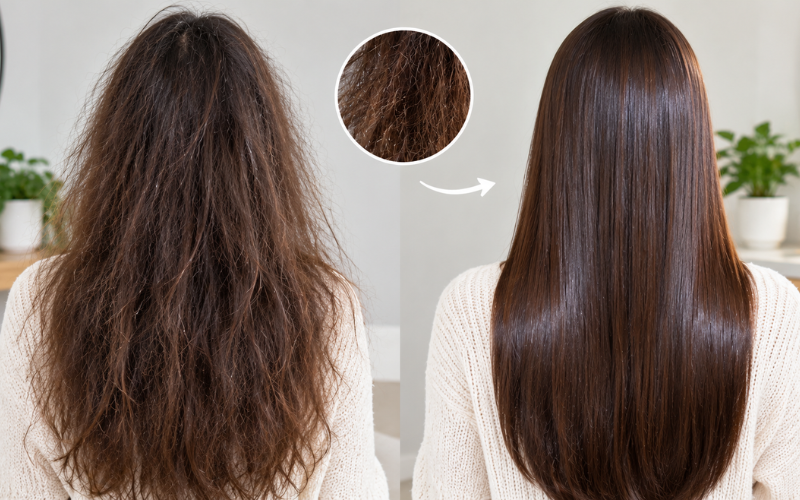
Frizzy hair is a common concern that makes hair look dry, uneven, and difficult to style. Many people experience frizz when their hair loses moisture, reacts to humidity, or becomes damaged from daily habits such as heat styling, frequent washing, or using harsh products. While frizz is often linked with certain hair types, it can happen to anyone when the hair’s natural balance is disturbed.
Learning how to fix frizzy hair starts with understanding why it happens. Hair needs the right amount of moisture to stay smooth and flexible. When the outer layer of the hair becomes rough or lacks hydration, strands can absorb moisture from the air unevenly, creating a frizzy appearance. Factors like weather, hair texture, chemical treatments, and styling routines can all affect how much frizz a person experiences.
The good news is that frizzy hair can often be improved with simple changes to your hair care routine. Using gentle products, keeping hair properly moisturized, protecting it from heat, and handling it carefully can help create a smoother and healthier look. Instead of trying to remove all natural texture, the goal should be to maintain balanced, manageable hair.
What Causes Frizzy Hair and Why It Becomes Hard to Control
Frizz usually appears when individual hair strands do not stay aligned with each other. Instead of lying smoothly together, some strands become raised, creating a rough or fluffy appearance. This can happen for several reasons, and understanding these causes is an important step in learning how to fix frizzy hair effectively.
One of the most common causes of frizz is dryness. When hair does not have enough moisture, it becomes more likely to feel rough and lose its smooth shape. Dry hair may also appear dull because it cannot reflect light as evenly as well-moisturized hair.
Humidity is another major factor. Hair naturally absorbs moisture from the surrounding air. In humid conditions, dry or damaged hair can take in uneven amounts of moisture, causing strands to swell and change shape. This is why many people notice more frizz during rainy seasons or in places with high humidity.
Heat styling can also contribute to frizz. Regular use of straighteners, curling irons, and hot blow dryers may weaken the hair over time, especially when heat protection is not used. Excessive heat can remove moisture from the hair and make the outer layer less smooth.
Hair damage from coloring, chemical treatments, rough brushing, and environmental exposure can also increase frizz. When the protective outer layer of hair becomes damaged, strands may struggle to hold moisture properly. This can make hair look uneven and harder to manage.
Hair texture also plays a role. Curly, wavy, and coarse hair types often experience more visible frizz because natural oils from the scalp may take longer to travel down the hair strand. However, even straight hair can become frizzy when it lacks moisture or experiences damage.
Start With the Right Hair Care Routine for Frizz Control
A consistent hair care routine is one of the most important parts of managing frizz. The way you wash, condition, and handle your hair every day can have a noticeable effect on its appearance. Small changes in your routine can help reduce dryness and improve softness.
Choosing a gentle shampoo is a good starting point. Washing hair too frequently or using products that remove too much natural oil can leave the hair feeling dry. Natural oils help protect the hair and maintain moisture, so over-washing may increase frizz for some people.
Conditioning after shampooing is also essential. A good conditioner helps add moisture back into the hair and makes strands easier to manage. Applying conditioner mainly to the middle and ends of the hair can help avoid making the roots feel heavy while still providing hydration where it is needed most.
The way you wash your hair matters as well. Using very hot water can remove moisture and leave hair feeling rough. Lukewarm or cooler water is often a better choice for maintaining softness.
Gentle handling after washing can also make a difference. Rubbing wet hair aggressively with a towel creates friction, which can lead to more breakage and frizz. Instead, softly squeezing out excess water and using a smooth towel or microfiber fabric can help protect the hair surface.
Another important habit is avoiding unnecessary product buildup. While moisturizing products are helpful, using too many heavy products at once can make hair look flat or greasy instead of smooth. Finding the right balance is key to keeping hair healthy and manageable.
Improve Hair Moisture to Make Frizzy Hair Smoother
Moisture plays a central role in controlling frizz. Hair that is properly hydrated usually feels softer, looks healthier, and is easier to style. When hair becomes too dry, the strands often become more noticeable and difficult to control.
One of the simplest ways to improve moisture is by using a conditioner regularly. Conditioners help coat the hair and reduce the rough feeling that often comes with dryness. For people with very dry or thick hair, deeper moisturizing treatments may provide additional support.
Hair masks can also be useful for adding extra moisture. These treatments are usually designed to provide more intensive care than regular conditioners. Using a suitable hair mask occasionally can help improve softness, especially if hair has been exposed to heat, coloring, or environmental stress.
Leave-in conditioners and lightweight hair oils can also help maintain moisture throughout the day. These products can reduce the feeling of dryness and make hair easier to style. However, using too much product may weigh the hair down, so it is important to apply an amount that matches your hair type.
Maintaining a healthy moisture balance is more effective than simply adding as much moisture as possible. Hair that is overloaded with heavy products may lose movement and appear oily. The best approach is finding a routine that keeps hair soft without making it feel heavy.
It is also helpful to remember that moisture alone cannot solve every type of frizz. If hair is damaged from heat or chemical treatments, it may need additional care focused on protection and repair. A balanced routine that combines hydration, gentle handling, and protection usually provides better long-term results.
The Best Ways to Dry Frizzy Hair Without Causing More Damage
How you dry your hair can have a major impact on frizz. Wet hair is more fragile than dry hair, which means rough handling during this stage can create more damage and make strands appear rough.
After washing your hair, avoid rubbing it with a regular towel. The friction created by rough fabrics can disturb the hair surface and increase flyaways. Instead, gently squeeze water from the hair and use a softer material to absorb moisture.
Air drying can be a helpful option because it avoids heat exposure. However, the way hair dries naturally depends on hair type and environment. Some people may find that air drying creates more volume or texture, while others may prefer controlled blow drying.
If you use a blow dryer, keeping the heat at a moderate level is important. Very high temperatures can remove moisture and increase dryness. Holding the dryer at a reasonable distance and moving it continuously can help reduce heat stress on individual sections of hair.
Using a heat protectant before blow drying or styling can provide an extra layer of support. These products are designed to reduce the impact of heat tools and help maintain smoother-looking hair.
The drying process should focus on reducing stress on the hair rather than forcing it into a completely different texture. Gentle methods usually create better results over time.
Use Styling Techniques That Help Keep Frizz Under Control
The way you style your hair can make a big difference when trying to understand how to fix frizzy hair. Styling is not only about creating a certain look; it is also about protecting the hair and maintaining its natural moisture.
One important step is applying styling products correctly. Products such as smoothing creams, lightweight serums, and leave-in conditioners can help reduce the appearance of frizz by creating a smoother surface around the hair strand. These products work best when applied evenly, especially to areas that become dry or difficult to manage.
Avoid applying too much product at once. Heavy application can make hair feel sticky, flat, or oily. Starting with a small amount and adding more only when needed is usually a better approach.
Brushing and combing techniques also matter. Using a wide-tooth comb on wet hair can help reduce pulling and breakage. For curly or wavy hair, brushing too often can separate natural patterns and create extra volume and frizz. Gentle styling helps maintain a smoother appearance.
Managing flyaways during the day can also be easier with simple habits. Avoid repeatedly touching your hair, as frequent contact can increase friction and disturb the hair’s natural shape. A small amount of smoothing product can help control areas that become unruly.
The goal of styling should be to work with your natural hair instead of constantly fighting against it. Healthy styling habits can make hair look more controlled while keeping its natural texture.
Natural Remedies and At-Home Treatments for Frizzy Hair
Many people look for natural ways to improve frizzy hair. At-home treatments can provide additional moisture and softness, especially when used as part of a balanced hair care routine.
Some natural ingredients are commonly used because they contain moisturizing properties. For example, certain oils can help reduce dryness by adding a protective layer around the hair. However, the results can vary depending on hair type, texture, and the condition of the hair.
Using natural treatments does not mean every ingredient will work for everyone. Some people may find certain oils or homemade treatments helpful, while others may experience heaviness or buildup. It is important to understand how your own hair responds.
Natural remedies can support healthier-looking hair, but they cannot completely repair severe damage. Hair that has been heavily affected by heat, chemicals, or breakage may require more targeted care.
The best approach is to combine gentle home treatments with good daily habits. Proper washing, conditioning, protection, and careful styling usually have a stronger long-term impact than relying on a single remedy.
Protect Frizzy Hair From Humidity, Heat, and Environmental Damage
Environmental conditions can strongly affect how hair looks and feels. Humidity, sunlight, pollution, and frequent heat exposure can all contribute to dryness and frizz.
Humidity is one of the biggest challenges for people with frizzy hair. When the air contains extra moisture, dry or damaged hair may absorb it unevenly. This can cause strands to expand and lose their smooth appearance.
Using products designed for moisture control can help create a barrier between the hair and the environment. These products may help reduce the effects of humidity and keep hair looking more manageable.
Heat protection is another important part of preventing frizz. Regular use of styling tools without protection can weaken the hair over time. Applying a heat protectant before using blow dryers, straighteners, or curling tools can help reduce damage.
Environmental protection also includes simple habits such as covering hair during strong sunlight, avoiding unnecessary chemical treatments, and maintaining regular conditioning. Prevention is often easier than trying to correct damage later.
Common Mistakes That Make Frizzy Hair Worse
While learning how to fix frizzy hair, it is equally important to understand which habits may increase the problem. Some common mistakes can make hair drier, weaker, and harder to control.
One mistake is washing hair too often. Frequent washing may remove natural oils that help maintain softness. Finding a washing schedule that suits your hair type can help preserve moisture.
Another common issue is using too much heat. High temperatures from styling tools can weaken hair and increase dryness. Using lower heat settings and limiting unnecessary styling can help protect the hair.
Rough brushing is another habit that can contribute to frizz. Pulling through knots aggressively can cause breakage and create uneven strands. Gentle detangling is a better approach.
Using products that do not match your hair type can also create problems. A product that works well for one person may not provide the same results for someone with different hair texture or needs.
How to Choose Hair Products for Frizzy Hair
Choosing suitable products is an important part of managing frizz. The right products should support your hair’s needs rather than simply cover up the problem temporarily.
Moisturizing products are often helpful for dry hair because they provide hydration and improve softness. Smoothing products may help reduce roughness and make strands appear more polished.
Repair-focused products are usually designed for hair that has experienced damage from coloring, heat, or chemical treatments. They may help improve the feel of damaged hair, although severely damaged hair may still require professional attention.
When choosing products, consider your hair type, current condition, and daily routine. Someone with fine hair may need lightweight formulas, while thicker or coarser hair may benefit from richer moisturizing products.
Reading product labels and understanding ingredients can help you make better choices. However, expensive products are not always necessary. A consistent routine with products that suit your hair is usually more important than the price.
Long-Term Habits for Healthier, Less Frizzy Hair
Fixing frizzy hair is not usually an overnight process. Healthy-looking hair often comes from consistent care and small improvements over time.
Regular trimming can help remove damaged ends that make hair look rough. While trimming does not change the way hair grows, it can improve the overall appearance and manageability of the hair.
Protecting hair during styling, maintaining moisture, and handling it gently are habits that support long-term improvement. Small daily choices can prevent unnecessary damage and help maintain smoother results.
It is also important to understand that every person’s hair is different. A routine that works perfectly for one person may not work the same way for another. Paying attention to how your hair responds can help you create a more effective approach.
Healthy hair does not always mean completely frizz-free hair. Natural texture, movement, and volume are normal parts of hair. The goal is to make hair healthier, softer, and easier to manage.
When Frizzy Hair May Need Professional Care
Sometimes, home care is not enough to improve frizz. If hair feels extremely dry, breaks easily, or shows signs of serious damage, professional advice may be helpful.
A hairstylist can examine the condition of your hair and suggest treatments or changes based on its specific needs. Professional treatments may help improve the appearance of damaged hair, although results depend on the level of damage and the treatment used.
People experiencing sudden changes in hair texture may also want to consider whether lifestyle changes, stress, or other factors could be affecting their hair.
Professional care should be viewed as a support option rather than the only solution. A good daily routine remains important for maintaining healthier hair over time.
Conclusion: Building a Simple Routine to Keep Frizzy Hair Manageable
Learning how to fix frizzy hair is mainly about understanding what your hair needs and creating habits that support its health. Frizz often develops because of dryness, damage, humidity, or harsh styling practices, but simple changes can make hair smoother and easier to control.
Using gentle hair care products, improving moisture levels, reducing heat damage, and handling hair carefully can all contribute to better results. While completely removing frizz may not always be realistic, maintaining healthier and more manageable hair is possible with consistent care.
The best routine is one that matches your hair type and lifestyle. By focusing on protection, hydration, and gentle treatment, you can improve the appearance and feel of frizzy hair over time.
FAQs
1. How can I fix frizzy hair quickly?
You can reduce frizz quickly by adding moisture with a leave-in conditioner or smoothing product, avoiding rough brushing, and protecting your hair from humidity. However, long-term improvement usually requires consistent care.
2. Why does my hair become frizzy after washing?
Hair may become frizzy after washing because of dryness, rough towel drying, harsh shampoos, or lack of conditioning. Gentle washing and proper moisture support can help reduce this problem.
3. Can frizzy hair become smooth again?
Yes, frizzy hair can often become smoother with the right routine. Improving moisture, reducing damage, and using suitable products can help improve hair texture and manageability.
4. Does oil help fix frizzy hair?
Some oils can help reduce dryness and improve softness by adding a protective layer to the hair. Results depend on hair type, so it is important to use oils in moderation.
5. How often should I wash frizzy hair?
The ideal washing schedule depends on your hair type, scalp condition, and lifestyle. Many people with dry or frizzy hair benefit from avoiding excessive washing to help maintain natural moisture.