
Introduction
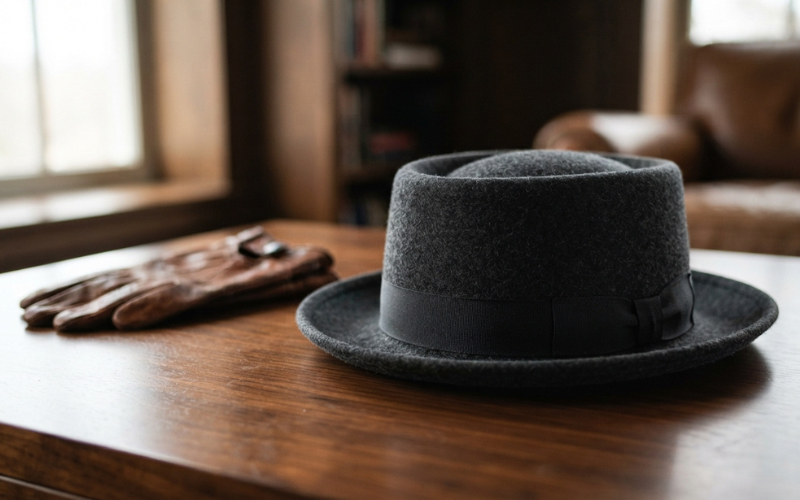
The pork pie cap is a distinctive hat known for its low, flat crown, circular crease, and short brim. Its unusual name comes from its resemblance to a traditional pork pie. Although the basic shape has existed for generations, the cap continues to appear in modern wardrobes.
Its appeal comes from its compact design and strong character. Available in felt, straw, cotton, and other materials, it can suit casual, smart, vintage, and contemporary outfits. Understanding its history, construction, fit, styling, and care makes choosing the right design much easier.
What Makes a Pork Pie Cap Distinctive
The most recognizable feature of a pork pie cap is its low, flat crown. A circular crease runs around the top, creating the raised edge that gives the hat its pie-like shape.
Most versions also have a narrow brim that curves upward. Traditional designs keep this shape firm and structured, while modern versions may use a softer crown, wider brim, or more relaxed finish.
The Story Behind the Pork Pie Cap
The pork pie style first became fashionable during the nineteenth century. Early versions were often worn by women, but the design later became popular in men’s fashion as its shape and materials changed.
During the twentieth century, the cap gained wider recognition through performers, musicians, and film characters. Silent-film actor Buster Keaton helped make the style memorable, while jazz culture gave it a cool and creative identity. Its repeated appearances in entertainment have helped it remain recognizable without making it feel tied to only one period.
Main Parts of a Pork Pie Cap
The crown is normally short, with a level top and a crease around its outer edge. The brim is narrow and usually turned upward, although some versions allow the front to be lowered slightly.
A ribbon or leather hatband often circles the base of the crown. Better-quality caps may also include an inner lining and a comfortable sweatband that improves the fit and absorbs moisture.
Popular Pork Pie Cap Materials
Wool felt is a traditional choice for cooler weather because it offers warmth, structure, and a smooth appearance. Straw is lighter and more breathable, making it suitable for spring and summer.
Cotton and canvas create a softer, more casual pork pie cap. Leather can provide a bolder appearance, while synthetic blends may improve water resistance or reduce cost. The best material depends on the climate, intended outfit, and amount of regular use.
Traditional and Modern Pork Pie Cap Styles
Classic versions are usually made from dark wool felt and finished with a simple ribbon band. Summer designs use lightweight straw and often feature natural shades such as tan, cream, or light brown.
Casual caps may use cotton, canvas, checks, or textured fabric. Dressier interpretations usually have cleaner lines and finer finishing. Contemporary versions sometimes include wider brims, colorful bands, patterned materials, or less rigid crowns.
Pork Pie Cap vs Similar Hat Styles
A pork pie cap is sometimes confused with a fedora, but a fedora normally has a taller crown, a pinched front, and a wider brim. A trilby also has a pinched crown, although its brim is usually shorter than a fedora’s.
A flat cap has no surrounding brim and follows the shape of the head more closely. A homburg has a taller crown, a central crease, and a more formal appearance. The pork pie cap is easiest to recognize by its level crown, circular crease, and narrow upturned brim.
Finding the Right Pork Pie Cap Size and Fit
To find the correct size, wrap a soft measuring tape around the widest part of the head, just above the ears and eyebrows. Compare the measurement with the maker’s sizing chart because sizing can vary between brands.
The cap should feel secure without pressing against the forehead. Red marks or discomfort suggest that it is too tight, while regular slipping indicates a loose fit. Crown height and brim width should also feel balanced with the wearer’s head size and preferred style.
Choosing a Pork Pie Cap for Your Face Shape
People with round faces may prefer a slightly taller crown or a modestly wider brim to add balance. Oval faces generally suit most pork pie cap shapes and proportions.
A softer brim can complement a square face, while people with long or narrow faces may look for a very low crown that does not add extra height. These are useful guidelines rather than strict rules. Comfort and personal preference remain more important.
How to Wear a Pork Pie Cap Naturally
Wearing the cap straight and centered creates a clean, traditional appearance. A slight tilt can make it feel more relaxed, while positioning it gently forward gives the outfit a sharper look.
Small adjustments usually work better than dramatic angles. Combining the cap with simple clothing also prevents it from looking like part of a costume or overly planned vintage outfit.
Styling a Pork Pie Cap for Different Outfits
For casual wear, a pork pie cap can be paired with jeans, a plain shirt, knitwear, or a simple jacket. Smart-casual combinations may include chinos, a button-down shirt, or a fitted blazer.
A dark felt version can complement formal or vintage-inspired clothing, although it is generally less formal than a homburg. Straw works naturally with linen and other lightweight summer fabrics. Wool or felt looks more suitable with coats, boots, and layered winter outfits.
Selecting the Right Color and Design
Neutral colors such as black, grey, navy, brown, and beige are easy to combine with different outfits. They are practical choices for anyone buying a first pork pie cap.
Brighter shades and patterned fabrics create a stronger statement. When choosing one, consider the colors already present in the wardrobe. A simple cap supports the outfit, while a bold design becomes its main visual feature.
Signs of a Well-Made Pork Pie Cap
A well-made cap should have an even crown, a balanced brim, and a shape that does not appear twisted. The brim should feel strong enough to hold its position but not so stiff that it cracks easily.
Look for neat stitching, secure trim, and a smooth inner band. Breathable materials and a comfortable lining can also make a noticeable difference during extended wear.
Common Pork Pie Cap Buying Mistakes
One common mistake is buying a trilby or short-brimmed fedora while expecting the true pork pie shape. Checking the flat top and circular crease can prevent this confusion.
Other mistakes include choosing the wrong crown proportion, ignoring seasonal comfort, or relying on a general hat size without measuring the head. It is also important to consider where the cap will be worn so that the material and design suit its intended use.
Cleaning and Caring for a Pork Pie Cap
Remove light dust with a soft hat brush, working gently in one direction. A lint roller may be suitable for some fabric caps, but it should be used carefully. Always follow the maker’s instructions before applying water or cleaning products.
Avoid crushing the crown or leaving the cap in strong heat. If it becomes wet, let it dry naturally away from direct sunlight. Store it on a hat stand or in a box that supports its shape. Deep stains, delicate felt, and valuable caps are usually best handled by a professional cleaner.
Conclusion
The pork pie cap stands out because of its low crown, circular crease, and narrow brim. Its long history and range of materials allow it to work with many personal styles. Choosing the correct size, proportion, color, and fabric helps the cap look natural, while proper cleaning and storage preserve its distinctive shape.
FAQs
1. Is a pork pie cap the same as a pork pie hat?
Yes. The terms are often used interchangeably. However, “hat” is the more traditional description because the design has a full brim surrounding the crown.
2. Can a pork pie cap be worn in every season?
It can be worn throughout the year when the material matches the weather. Straw and cotton suit warmer conditions, while wool felt provides better comfort during cooler months.
3. Should the brim be turned up or left flat?
The classic pork pie brim is turned upward around the entire hat. Some modern styles allow the front to sit flat or angle slightly downward, depending on the desired look.
4. Are pork pie caps suitable for formal outfits?
A clean, dark felt cap can work with certain formal or vintage-inspired outfits. However, it is generally better suited to smart-casual clothing than highly traditional formal events.
5. How should a pork pie cap fit?
It should rest securely around the head without squeezing, leaving marks, or slipping during normal movement. The crown should sit comfortably without being forced too far down.