
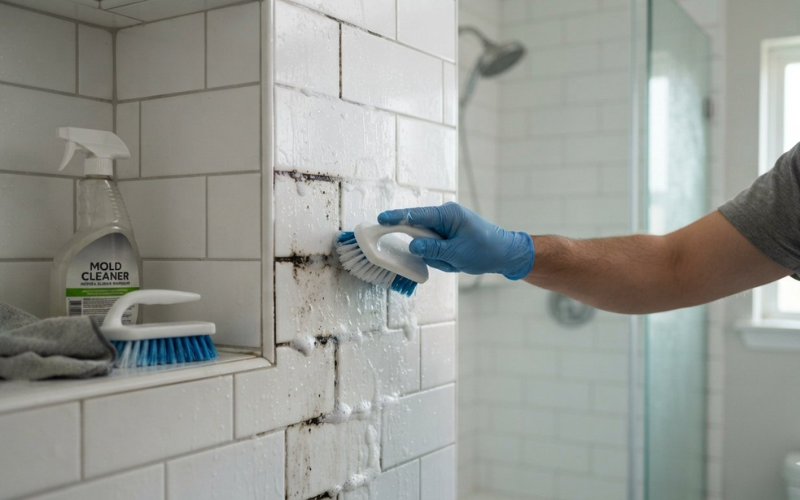
A clean shower is an important part of a fresh and comfortable bathroom, but mold can quickly become a common problem in areas exposed to regular moisture. Learning how to clean shower mold properly helps remove unwanted growth, improve bathroom cleanliness, and reduce the chances of mold returning. Shower mold often appears as dark spots or stains on grout, tiles, silicone seals, corners, and other damp areas where water remains for long periods.
Mold develops when moisture, warmth, and limited airflow create the right environment for growth. Daily activities like taking hot showers, leaving water droplets on surfaces, and having poor ventilation can increase humidity levels inside the bathroom. Soap residue, shampoo buildup, and dirt can also collect on surfaces, making it easier for mold to grow.
Removing shower mold is not only about making the bathroom look better. Regular cleaning helps maintain a more hygienic space and protects surfaces from long-term damage. With the right cleaning methods, proper preparation, and simple maintenance habits, most common shower mold problems can be managed effectively.
Why Mold Grows in Shower Areas and What Causes It
Shower areas are one of the most common places for mold growth because they constantly come into contact with water and moisture. Unlike dry areas of the home, showers often stay damp for several hours after use, creating conditions where mold can develop.
One of the main causes of shower mold is excess humidity. Hot water from showers creates steam, and if that moisture does not escape through proper ventilation, it settles on walls, ceilings, and bathroom surfaces. Over time, repeated exposure to moisture can encourage mold growth.
Poor airflow is another major factor. Bathrooms without windows, exhaust fans, or proper ventilation systems often take longer to dry. When surfaces remain wet, mold has more opportunity to spread.
Water buildup also contributes to mold problems. Areas where water collects, such as shower corners, grout lines, and spaces around fixtures, often remain damp longer than other parts of the bathroom. These small areas can become ideal places for mold to grow.
Shower mold commonly appears in several locations, including:
- Grout between bathroom tiles
- Silicone seals around tubs and shower doors
- Shower corners and edges
- Tile surfaces
- Shower curtains and liners
- Areas behind bathroom fixtures
Daily habits can also affect mold growth. Leaving wet towels inside the bathroom, not drying shower walls, and skipping regular cleaning can increase moisture levels and allow mold to develop faster.
Understanding the causes of shower mold makes cleaning easier because it helps address both the visible problem and the conditions that allow mold to return.
Preparing Your Shower Before Cleaning Mold
Before starting the cleaning process, proper preparation can make removing shower mold easier and safer. A prepared bathroom allows cleaning products to work better and reduces the risk of spreading mold particles to other areas.
Start by improving ventilation. Open windows if available and turn on the bathroom exhaust fan. Good airflow helps remove moisture and creates a more comfortable environment while cleaning.
Remove personal items from the shower area, including bottles, brushes, towels, and bath accessories. These items can block access to moldy areas and may also collect mold themselves if they stay in damp conditions.
Choose suitable cleaning tools before beginning. Basic supplies may include:
- A soft brush or old toothbrush for grout areas
- A sponge or microfiber cloth
- A bucket of water for rinsing
- Suitable bathroom cleaning products
- Protective gloves
When cleaning mold, avoid mixing different cleaning products together, as some combinations can create harmful fumes. Always follow the instructions provided on cleaning product labels.
It is also helpful to test any cleaning solution on a small hidden area first, especially when working with delicate surfaces. Some materials may react differently to certain cleaners.
How to Clean Shower Mold Using Simple Cleaning Methods
Knowing how to clean shower mold starts with using the right approach for the affected surface. Light mold growth can often be removed with regular cleaning methods, while deeper stains may require more effort.
Begin by applying a suitable mold-cleaning solution to the affected area. Allow the cleaner to sit for the recommended time so it can loosen the mold buildup. Avoid immediately scrubbing, as giving the solution time to work can make removal easier.
After the cleaner has had time to work, gently scrub the surface using a brush or sponge. Focus on areas where mold commonly collects, such as grout lines, corners, and edges. Use careful pressure to avoid damaging surfaces.
Once the visible mold has been removed, rinse the area thoroughly with clean water. Leaving cleaning residue behind can attract dirt and create another buildup problem.
Drying is an important final step. Use a clean towel or cloth to remove excess water and allow the shower area to fully dry. Mold thrives in moisture, so keeping surfaces dry after cleaning helps prevent future growth.
Different shower materials may require different cleaning approaches. Tile surfaces are usually easier to clean, while grout and silicone areas often need extra attention because they are more porous and can hold moisture.
Cleaning Mold From Shower Grout and Difficult Areas
Grout lines are some of the most challenging areas when removing shower mold. Unlike smooth tile surfaces, grout is slightly porous, meaning it can absorb moisture and collect dirt over time.
Because grout sits between tiles, water can remain trapped in these narrow spaces. This makes grout one of the first areas where dark mold spots often appear.
To clean mold from grout, apply an appropriate cleaning solution and allow it to reach the affected areas. A small brush, such as a toothbrush, can help scrub narrow grout lines where larger tools cannot reach.
Avoid using excessive force while scrubbing because damaged grout can create more spaces for moisture to enter. If grout becomes cracked or damaged, repairs may be needed to prevent repeated mold growth.
Hard-to-reach areas, including corners and spaces behind fixtures, may require extra attention. These locations often stay wet longer because they receive less airflow.
If mold continues to return in the same grout areas even after regular cleaning, it may indicate an ongoing moisture issue. Checking for leaks or water problems can help solve the source of the problem instead of only treating the surface.
Natural and Household Solutions for Removing Shower Mold
Many homeowners look for simple household methods when learning how to clean shower mold. Some common household solutions may help with light mold buildup, depending on the surface and severity of the problem.
Vinegar is often used as a household cleaning option because it contains natural acids that can help break down certain types of buildup. It may work better on some surfaces than others, so it should always be tested carefully.
Baking soda is another commonly used household product. It can help with scrubbing because of its mild texture and may be useful for cleaning areas with light residue.
However, natural solutions may not remove every type of mold problem, especially when mold has deeply affected grout or silicone. The success of a cleaning method depends on the material, the amount of mold, and how long it has been present.
When using any cleaning solution, protect bathroom surfaces and avoid combining different products. Safe cleaning practices are important for both effectiveness and personal safety.
How to Remove Mold From Shower Silicone and Caulk
Silicone seals and caulk around showers often develop dark mold stains because these areas frequently stay wet. Water can collect along the edges, and the flexible material can trap moisture over time.
Surface mold on silicone may sometimes be removed with careful cleaning. Apply a suitable cleaner, allow it to work, and gently scrub the area without damaging the seal.
However, silicone can be difficult to restore if mold has grown deeply inside the material. In some cases, the dark appearance may remain even after cleaning because the seal itself has been affected.
If silicone becomes damaged, cracked, or continues showing mold growth, replacement may be a better long-term solution. New seals should be installed properly to reduce future moisture problems.
Maintaining shower silicone requires regular cleaning and keeping the area dry. Wiping water away from shower edges after use can help reduce the chance of mold returning.
Common Mistakes to Avoid When Cleaning Shower Mold
When learning how to clean shower mold, avoiding common mistakes can make the process more effective. Many mold problems continue because the underlying moisture issue is not addressed.
One common mistake is cleaning visible mold without improving ventilation. If the bathroom remains damp, mold can quickly return after removal.
Another mistake is ignoring small areas. Mold often starts in corners, grout lines, and seals before spreading to larger surfaces. Regularly checking these areas helps catch problems early.
Using unsuitable cleaning products can also cause damage. Some harsh solutions may affect certain bathroom materials, so choosing the right cleaner for the surface is important.
Simply covering mold stains without removing the growth is another ineffective approach. Painting over mold or hiding it does not solve the moisture problem behind it.
How to Prevent Shower Mold From Coming Back
After learning how to clean shower mold, the next important step is prevention. A few simple habits can make a big difference in keeping your shower cleaner.
Good ventilation is one of the most effective ways to reduce moisture. Running an exhaust fan during and after showers helps remove humidity from the bathroom.
Drying shower surfaces after use can also help. Removing excess water from walls, doors, and corners reduces the moisture that mold needs to grow.
Regular cleaning prevents soap residue and dirt from building up. A consistent bathroom cleaning routine is usually easier than dealing with heavy mold growth later.
Other helpful habits include:
- Keeping shower curtains open after use so they can dry
- Washing bathroom fabrics regularly
- Repairing leaks quickly
- Allowing fresh air into the bathroom when possible
- Checking grout and silicone areas regularly
Small maintenance steps can help keep the shower fresh and reduce future mold problems.
When Shower Mold Requires Professional Help
Many small shower mold problems can be handled with regular cleaning, but some situations may require professional attention.
Professional help may be useful when mold keeps returning despite proper cleaning, when there are signs of hidden water damage, or when mold covers large areas.
Repeated mold growth may indicate a moisture problem behind walls, damaged seals, or plumbing issues. Cleaning the surface alone may not solve these deeper causes.
If mold has spread beyond the shower area or there are concerns about indoor air quality, an expert evaluation can help identify the source and recommend appropriate solutions.
Conclusion
Learning how to clean shower mold helps homeowners maintain a cleaner and more comfortable bathroom environment. Mold commonly develops because of moisture, poor airflow, and damp surfaces, but regular cleaning and proper maintenance can greatly reduce the problem.
Removing mold from tiles, grout, silicone, and other shower areas requires patience and the right cleaning approach. Just as important, preventing mold from returning depends on keeping the shower dry, improving ventilation, and maintaining regular cleaning habits.
A fresh shower does not require complicated solutions. Consistent care, quick action when mold appears, and attention to moisture control can help keep your bathroom cleaner and healthier for the long term.
FAQs
1. What is the easiest way to clean shower mold?
The easiest way to clean shower mold is to apply a suitable cleaning solution, allow it time to work, gently scrub the affected area, rinse it thoroughly, and dry the surface completely. Regular maintenance helps prevent mold from returning.
2. Can shower mold be removed naturally without harsh chemicals?
Some light shower mold can be treated with household cleaning options such as vinegar or baking soda. However, results depend on the surface and how deeply the mold has grown.
3. Why does mold keep coming back in my shower?
Mold often returns because moisture remains in the bathroom. Poor ventilation, wet surfaces, and water buildup create conditions where mold can grow again.
4. How do I clean mold from shower grout and silicone seals?
Mold from grout and silicone seals can be cleaned by applying an appropriate cleaner, gently scrubbing the area, rinsing it, and allowing it to dry. Deeply affected silicone may need replacement.
5. When should I get professional help for shower mold?
Professional help may be needed when mold repeatedly returns, spreads to larger areas, or appears to be caused by hidden moisture problems that regular cleaning cannot fix.