
Introduction
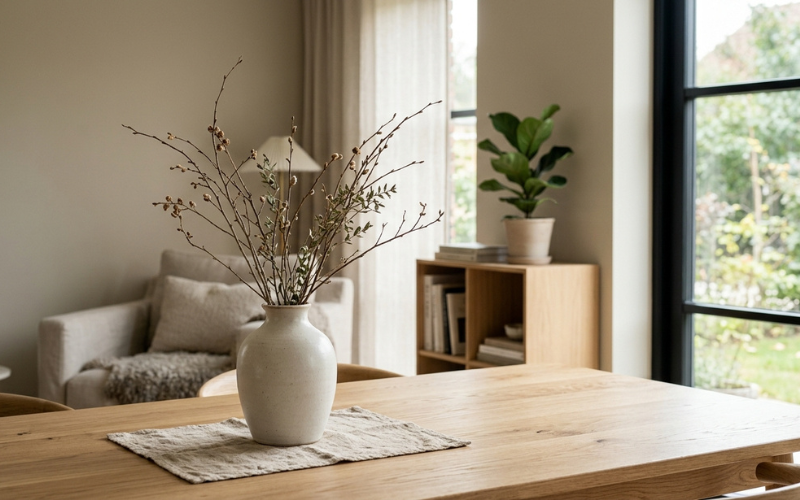
Pyntekvister are decorative twigs or branches used to bring natural beauty into a home. The word is often connected with Nordic and Scandinavian-style decorating, where simple materials, soft shapes, and calm details are valued. In plain English, pyntekvister are branches chosen not for gardening or firewood, but for decoration.
They can be fresh, dried, painted, artificial, or even fitted with small lights. Some people place pyntekvister in a tall vase by the door, while others use them as a dining table feature, a seasonal display, or a quiet detail on a shelf. Their charm comes from their simple form. They do not need to be bright, expensive, or dramatic to make a room feel more finished.
Pyntekvister suit natural, minimalist, seasonal, and cozy interiors because they add texture without clutter. They can make a modern room feel warmer, a rustic room feel softer, and a plain corner feel more considered. This article explains what pyntekvister are, how they are used, how to choose the right type, and how to style them in a way that feels natural and balanced.
The Meaning and Everyday Use of Pyntekvister
Pyntekvister refers to decorative branches or twigs used as part of interior styling. They may come from real trees, dried natural materials, or artificial designs made to look like branches. Unlike ordinary branches found outdoors, pyntekvister are usually selected, cleaned, shaped, or arranged with a decorative purpose in mind.
The main difference between pyntekvister and regular branches is intention. A normal branch might be something you walk past in a garden or forest. Pyntekvister are chosen for their shape, height, color, or texture. They are placed carefully so they become part of the room’s design.
Their everyday use is simple. They can stand alone in a vase, support small ornaments, hold seasonal decorations, or add height to a display. Many people like them because they offer an easy way to decorate without making a space feel busy. In a world where many homes are filled with objects, pyntekvister bring a quieter and more natural kind of beauty.
Why Pyntekvister Work So Well in Natural Home Decor
Pyntekvister work well in natural home decor because they add texture, height, and softness. A room with only flat surfaces can sometimes feel cold or unfinished. A few tall branches in a vase can gently break up straight lines and bring movement into the space. Their natural shapes are never perfectly even, and that is part of their appeal.
They also create a connection to nature. Even when used indoors, pyntekvister remind people of trees, seasons, gardens, and quiet outdoor spaces. This makes them especially useful in calm interior design. They do not compete for attention, but they help a room feel more grounded.
In modern interiors, pyntekvister soften sharp furniture and clean lines. In rustic spaces, they feel familiar and warm. In Scandinavian homes, they support the idea of simple beauty and useful decoration. In minimalist rooms, they add interest without adding clutter. This makes pyntekvister flexible enough for many home styles while still keeping a natural look.
Common Types of Pyntekvister for Home Styling
There are several common types of pyntekvister, and each one creates a slightly different feeling. Fresh branches are often used when people want a natural and seasonal look. They may include small buds, leaves, or flowers, depending on the time of year. Fresh pyntekvister can feel lively and soft, but they usually need more care.
Dried twigs are popular because they last longer and need very little maintenance. They often have a rustic or simple look, which works well in neutral interiors. Painted or treated branches are another option. These may be white, black, gold, silver, or another soft color that matches the room.
LED pyntekvister include small built-in lights. These are often used in darker seasons or during festive periods because they create a warm glow. Seasonal decorative branches may include small ornaments, berries, flowers, paper decorations, or holiday details. The best type depends on the room, the mood, and how permanent you want the display to be.
Choosing the Right Pyntekvister for Your Space
Choosing the right pyntekvister begins with size. Tall branches can look beautiful in large rooms, open hallways, or beside a fireplace. Smaller branches are better for shelves, desks, bedside tables, or compact apartments. If the branches are too large, they may look awkward. If they are too small, they may disappear into the background.
Color and texture also matter. Natural brown or beige branches work well in warm and neutral rooms. White pyntekvister can brighten a dark corner and suit winter styling. Darker branches may look elegant in modern interiors. Rough textures create a rustic feeling, while smooth or painted branches feel more polished.
The container is just as important as the branches. A tall glass vase gives a clean and light look. A ceramic pot feels softer and more homely. A basket can make the display feel casual and natural. Some pyntekvister can also be used on walls, in wreaths, or as part of a hanging arrangement.
Placement should match the material. Fresh branches usually belong indoors or in sheltered spaces. Artificial and treated branches may work better outdoors, but only if they are suitable for weather exposure.
Simple Ways to Style Pyntekvister at Home
One of the easiest ways to style pyntekvister is in an entryway. A tall vase with a few well-shaped branches can make the first impression of a home feel calm and welcoming. It does not need much decoration. The shape of the branches is often enough.
In the living room, pyntekvister can be placed beside a sofa, near a window, or on a low cabinet. They help fill empty vertical space without adding heavy furniture. On a dining table, smaller branches can become a gentle centerpiece, especially when paired with candles, linen, or simple tableware.
Bedrooms can also benefit from pyntekvister. A small branch arrangement on a bedside table or dresser can add softness without making the room feel crowded. On shelves, shorter twigs can be mixed with books, ceramics, or framed pictures.
For balconies, gardens, and patios, pyntekvister can bring structure to outdoor seating areas. Weather-friendly branches in a pot or basket can make a balcony feel more styled and personal, especially when paired with plants or soft lighting.
Seasonal Pyntekvister Ideas Throughout the Year
Pyntekvister are useful throughout the year because they can change with the seasons. In spring, light branches with small buds or soft flowers can make a home feel fresh. They work well in clear vases and bright rooms where natural light can show their delicate shapes.
In summer, pyntekvister can be kept simple. Bare branches, pale woods, or soft green details can match a relaxed and airy interior. They should feel light rather than heavy.
Autumn styling often suits warmer tones. Dried branches, brown twigs, orange details, or natural seed pods can create a cozy feeling. This is a good time to use rougher textures and deeper colors.
In winter, pyntekvister are often used with lights, white paint, silver details, or small ornaments. LED pyntekvister can add warmth during darker months. Festive displays can be beautiful, but they usually look best when kept simple and not overloaded.
Fresh, Dried, Artificial, and LED Pyntekvister Compared
Fresh pyntekvister are best when you want a natural, living look. They may change over time, which can be part of their beauty. However, they may dry out, shed leaves, or need water.
Dried pyntekvister are practical and long-lasting. They are a good choice for people who want a natural look with little care. They can stay in place for months and still look attractive.
Artificial pyntekvister are useful when consistency matters. They keep their shape, do not shed, and are easy to reuse. Good-quality artificial branches can look elegant, especially when arranged simply.
LED pyntekvister are best for atmosphere. They bring soft light into a room and are especially popular in winter, bedrooms, hallways, and cozy corners. They may not look as natural during the day, but in the evening they can create a warm and peaceful mood.
How to Prepare and Arrange Pyntekvister Naturally
Preparing pyntekvister does not need to be difficult. If you use real branches, start by cleaning them gently and removing loose dirt, sharp parts, or damaged pieces. Trim the ends so they fit the vase or container properly.
When arranging pyntekvister, balance is more important than perfection. Branches should have enough space between them so their shapes can be seen. If too many are placed together, the display can look crowded and messy.
Height also matters. A few taller branches can create elegance, while shorter ones add fullness. Try to let the branches lean and spread in a natural way instead of forcing them into a stiff shape. The goal is to make the display look intentional but not overly controlled.
Care, Safety, and Placement Tips for Pyntekvister
Pyntekvister are easy to care for, but they still need some attention. Dried and artificial branches should be dusted from time to time. Fresh branches may need water, trimming, or removal once they begin to fade.
Stability is important, especially with tall branches. A vase should be heavy enough to hold the arrangement safely. If the branches are top-heavy, the container may tip over easily.
Pyntekvister should also be placed with safety in mind. Keep dry branches away from open flames, strong heat sources, and candles. If there are pets or small children in the home, avoid sharp branches or displays that can be pulled down.
For outdoor use, consider wind, rain, and sunlight. Some materials may fade, bend, or break if left outside for too long.
Sustainable Ways to Source Pyntekvister
One reason many people like pyntekvister is that they can be a sustainable decorating choice. Fallen branches can often be used if collected responsibly and safely. It is better to choose branches that are already loose rather than cutting from living trees without permission.
Reusable materials are also helpful. Dried, artificial, and LED pyntekvister can be styled again and again across different seasons. This reduces the need to buy new decorations often.
A thoughtful approach also means avoiding wasteful habits. Instead of changing every decoration each month, a simple branch display can be updated with small seasonal touches. This keeps the home fresh without creating unnecessary waste.
DIY preparation is another good option. Cleaning, trimming, drying, or lightly painting branches can turn simple natural materials into personal home decor.
Common Mistakes to Avoid With Pyntekvister
The most common mistake is using too many branches. Pyntekvister usually look best when they have room to breathe. A crowded arrangement can lose the quiet beauty that makes them appealing.
Another mistake is choosing the wrong scale. Very tall branches in a tiny room may feel overwhelming, while very short branches in a large hallway may look unfinished. The size should match the space.
Mixing too many colors or materials can also make the display look confused. Natural branches, lights, ornaments, ribbons, and painted finishes can all work, but not always at the same time. A simple color palette often looks more elegant.
It is also important not to make the arrangement feel forced. Pyntekvister should look relaxed and natural. When they are over-decorated or placed in the wrong setting, they can feel less authentic.
Pyntekvister Buying Checklist
Before buying pyntekvister, think about the size and shape first. The branches should fit the space where they will be placed and suit the height of the vase or container.
The material and finish should also match your home. Natural dried branches feel calm and rustic, painted branches feel more styled, and LED branches add light and atmosphere.
Check whether the pyntekvister are suitable for indoor or outdoor use. This is especially important for artificial, treated, or lighted branches. Maintenance needs should also be considered. Some people enjoy caring for fresh branches, while others prefer a long-lasting option.
Finally, choose pyntekvister that match the style of the room. The best display should feel like it belongs there, not like an extra object added without thought.
Conclusion
Pyntekvister are a simple but effective way to bring natural beauty into the home. They are decorative twigs or branches, but their value goes beyond their basic shape. They add height, texture, softness, and a calm connection to nature.
Whether fresh, dried, artificial, painted, or lit with small LED lights, pyntekvister can suit many interiors. They work well in entryways, living rooms, bedrooms, dining areas, balconies, and seasonal displays. Their strength is their simplicity.
By choosing the right size, color, material, and placement, pyntekvister can make a room feel more thoughtful without making it feel crowded. Used carefully, they offer a quiet Nordic decorating detail that is natural, flexible, and easy to enjoy throughout the year.
FAQs
1. What are pyntekvister?
Pyntekvister are decorative twigs or branches used in home styling. They can be fresh, dried, artificial, painted, or fitted with small LED lights to add a natural and simple decorative touch.
2. How do you use pyntekvister in home decor?
You can place pyntekvister in a vase, pot, basket, wall display, or table centerpiece. They work well in entryways, living rooms, bedrooms, dining areas, balconies, and seasonal displays.
3. Are pyntekvister suitable for minimalist interiors?
Yes. Pyntekvister are ideal for minimalist interiors because they add height, texture, and natural beauty without making a space feel crowded or overdecorated.
4. Can pyntekvister be used all year round?
Yes. Pyntekvister can be styled for every season. Fresh branches work well in spring, dried twigs suit autumn, and LED pyntekvister are popular for winter and festive decor.
5. How do you care for pyntekvister?
Dust dried or artificial pyntekvister regularly, keep fresh branches in water if needed, and place all arrangements in a stable vase away from heat, flames, pets, and small children.