
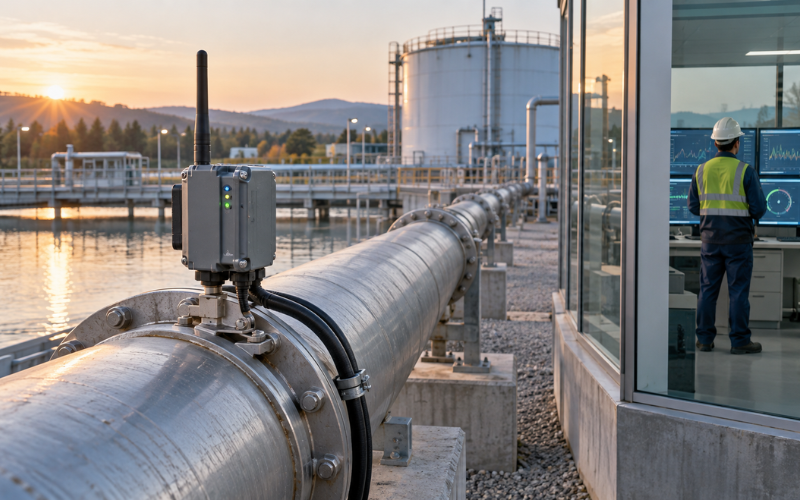
Telemetryczny is a Polish word used to describe something related to telemetry. In English, it usually means telemetric or telemetry-related. The term may describe a device, system, network, measurement, or process that collects information from one place and sends it elsewhere for monitoring.
The word comes from the Polish noun telemetria, meaning telemetry. Telemetry involves measuring data at a remote location and transmitting it to receiving equipment. The information can then be viewed, stored, or analyzed. In simple terms, it allows people or computer systems to check what is happening without being physically present at the monitored location.
Readers may encounter telemetryczny in information about vehicles, industrial equipment, energy meters, computer software, healthcare devices, and environmental sensors. It commonly appears in phrases such as system telemetryczny, meaning “telemetry system,” and dane telemetryczne, meaning “telemetry data.”
The Meaning and Language Behind Telemetryczny
Telemetryczny is an adjective, so it describes a noun rather than naming a technology by itself. Its exact English translation depends on the surrounding phrase. For example, system telemetryczny means “telemetry system,” while pomiar telemetryczny means “telemetric measurement.”
The standard spelling is telemetryczny. An approximate English pronunciation is “teh-leh-meh-TRICH-nih,” although the final Polish sound does not have a perfect English equivalent. The stress usually falls on the next-to-last syllable.
Like other Polish adjectives, the word changes according to the gender and number of the noun it describes. Telemetryczny is the masculine form. Telemetryczna is feminine, while telemetryczne is neuter. The form telemetryczne is also used with many plural nouns, as in dane telemetryczne.
It is important not to confuse telemetryczny with telemedyczny, which means “telemedical,” or telematyczny, which refers to telematics. These terms can describe connected technologies, but they do not have identical meanings.
How a System Described as Telemetryczny Works
A system described as telemetryczny normally begins with a measurement. A sensor may check temperature, pressure, movement, speed, fuel use, battery level, or another condition. The device converts that measurement into data that can be transmitted.
The information then travels to a receiving system. It may be sent through a mobile network, radio signal, satellite connection, local computer network, or physical cable. Telemetry is often associated with wireless communication, but it can also use wired connections. The defining feature is the remote collection and transfer of measurement data, not the use of one particular network.
After the data arrives, software processes and displays it. A user might see a live dashboard, a historical chart, a status report, or a warning message. The information can also be stored for later analysis.
Some systems create alerts when a reading passes a set limit. For example, monitoring software could warn a manager if a machine becomes too hot. More advanced systems may trigger an automatic response, such as reducing power or closing a valve. However, automatic control is an additional feature and is not required for basic telemetry.
The Main Parts of a System Telemetryczny
A typical system telemetryczny has several connected parts. Sensors or measuring devices collect information from the physical environment, a vehicle, a machine, or a software application. Their quality matters because inaccurate measurements will produce unreliable results.
A transmitter prepares and sends the readings. Depending on the application, it may use Wi-Fi, Bluetooth, mobile data, radio, satellite communication, Ethernet, or another connection. Gateways are sometimes placed between sensors and the main platform. They collect information from multiple devices and forward it to a central location.
The receiving platform turns raw measurements into useful information. Monitoring software may organize the data into charts, maps, reports, and status indicators. A database stores current and historical records so users can examine changes over time.
Notification tools form another important part of many systems. They may send an email, text message, mobile alert, or dashboard warning when a fault or unusual reading appears. Together, these components allow measurements to travel from a distant source to the people or systems that need them.
Where Telemetryczny Technology Is Used
Telemetry has a wide range of uses because many organizations need information from distant or distributed equipment. In transport, an operator can monitor vehicle locations, fuel consumption, maintenance needs, and route activity. This can support planning and help identify possible mechanical problems.
Factories use telemetryczny equipment to monitor machines and production lines. Continuous measurements can reveal changes in pressure, heat, vibration, or power use. Maintenance teams can then inspect equipment before a small issue becomes a serious failure.
Energy and water providers use telemetry to read meters and monitor networks. Remote information can reveal unusual consumption, supply interruptions, pressure changes, or possible leaks. Agriculture also uses connected sensors to observe soil conditions, weather, irrigation equipment, and storage areas.
Healthcare telemetry can transmit selected patient measurements to medical staff, although such systems must follow strict safety and privacy requirements. Aerospace organizations use telemetry to receive information from aircraft, satellites, and spacecraft. In computing and cybersecurity, telemetry helps teams monitor performance, errors, system events, and suspicious behavior.
System Telemetryczny Versus Remote Control and Tracking
Telemetry, remote control, and tracking are related but separate ideas. A system telemetryczny primarily sends information from a monitored object to a receiving platform. Remote control sends instructions in the opposite direction so someone can change how the equipment behaves.
A telemetry system may include control features, but monitoring alone does not automatically provide control. A temperature sensor, for instance, can report that a room is too warm without being able to adjust the cooling system.
Telemetry is also broader than GPS tracking. GPS provides location information, while telemetry can collect many other measurements. A vehicle platform might combine GPS location with engine temperature, battery voltage, speed, and fuel use. In that situation, tracking is one part of a wider telemetry service.
Automation can connect these processes. Data is measured, transmitted, checked against rules, and then used to produce a response. Even so, human review remains important when decisions affect safety, health, or essential equipment.
Benefits of Telemetryczny Monitoring
The main benefit of telemetryczny monitoring is faster access to information. Instead of visiting each machine, meter, or site, a user can review readings from a central platform. This can save time when equipment is spread across a large area.
Continuous monitoring may also identify faults earlier. A sudden rise in temperature or vibration could indicate that a machine needs attention. Historical records can help maintenance teams see gradual changes and schedule work at a suitable time.
Telemetry may support more efficient use of fuel, electricity, water, and other resources. Organizations can compare actual consumption, identify waste, and evaluate the results of operational changes.
Better information can also improve decision-making. However, the value depends on the accuracy of the sensors, the quality of the software, and the ability of users to interpret the data correctly. Collecting more measurements does not automatically create better outcomes.
Limitations and Practical Challenges
A telemetry system depends on several parts working together. A damaged sensor, weak network connection, incorrect setting, or software problem can produce missing or misleading information. Important systems therefore need regular checks and clear procedures for handling failures.
Installation and maintenance costs can also be significant. Organizations may need sensors, transmitters, network services, software subscriptions, storage, and trained staff. Older equipment may not connect easily with newer platforms, creating compatibility problems.
Update speed is another consideration. Some applications require information almost immediately, while others only need a reading every few hours. Faster reporting can use more power, network capacity, and storage.
Large amounts of data can become difficult to manage. A useful system should emphasize meaningful readings and alerts instead of overwhelming users with unnecessary information.
Privacy and Security of Dane Telemetryczne
Telemetry data can reveal more than simple technical readings. Vehicle records may show routes and driving times. Software telemetry may include information about devices and usage patterns. Healthcare systems can handle highly sensitive measurements. Even operational data may expose details about important facilities or business activity.
For this reason, organizations should collect only the information they need. Users should be told what is gathered, why it is needed, how long it is retained, and who can access it. Personal information should receive suitable legal and organizational protection.
Security measures can include encrypted transmission, strong authentication, controlled access, software updates, and activity records. Default passwords should be replaced, and unnecessary connections should be disabled.
Before enabling telemetry, users should review the available privacy settings and collection notices. They should also check whether optional data sharing can be limited without preventing essential features from working.
How to Evaluate a System Telemetryczny
Choosing a system telemetryczny should begin with a clear purpose. An organization needs to decide which measurements will support real decisions. Collecting data without a defined use can add expense and complexity without providing much value.
Accuracy and reporting frequency should match the task. A warehouse may need regular temperature records, while safety equipment could require much faster updates. Buyers should also consider what happens when a sensor or connection fails.
The platform should work with existing equipment and make its information easy to understand. Clear dashboards, practical reports, and well-designed alerts are often more useful than a large number of rarely used features.
Security, technical support, maintenance, and long-term costs also deserve attention. The initial price may not include data plans, storage, calibration, replacement sensors, software access, or future upgrades. Testing a limited installation can reveal problems before the system is widely deployed.
Common Misunderstandings About Telemetryczny
One common misunderstanding is that all telemetry depends on GPS. Location tracking is only one possible use. A stationary temperature sensor or water meter can be part of a telemetry system without collecting location data.
Another mistaken belief is that telemetry must be wireless. Measurements can travel through radio, mobile, satellite, computer, or wired networks. The communication method should suit the environment and the required level of reliability.
Telemetry is also not automatically the same as surveillance. Many systems collect only technical information about equipment. However, data can raise privacy concerns when it identifies individuals or reveals their behavior.
The words telemetryczny and telemedyczny should not be used as substitutes for each other. A telemedical service provides healthcare over distance, while a telemetry system remotely collects and transmits measurements. Medical telemetry can be part of telemedicine, but the two concepts remain different.
Finally, a connected device is not always a complete telemetry system. It must be able to collect useful data and deliver it to a receiving point where it can be monitored or analyzed.
The Growing Role of Telemetryczny Solutions
Telemetry is becoming more visible as sensors, connected devices, and communication networks become widely available. Businesses and public services can now monitor equipment that was once difficult or expensive to observe remotely.
Automated analysis can examine telemetry records for patterns that may signal wear, waste, or unusual behavior. This supports predictive maintenance, where equipment is serviced based on its condition rather than only on a fixed schedule.
Real-time monitoring is also expanding across transport, utilities, manufacturing, agriculture, and digital services. At the same time, the growth of telemetry increases the importance of secure systems and responsible data policies.
Human oversight will continue to matter. Software can detect patterns and produce alerts, but people must decide whether the information is reliable, what it means, and which action is appropriate.
Conclusion
Telemetryczny is a Polish adjective meaning telemetric or related to telemetry. It most often describes technology that measures information remotely and sends it to another location for monitoring, storage, or analysis.
A telemetryczny system can improve visibility, maintenance, resource use, and decision-making across many fields. Its value, however, depends on accurate sensors, reliable communication, useful software, and responsible data practices. Understanding the context around the word makes it easier to interpret Polish technical descriptions and recognize how telemetry works in everyday technology.
Frequently Asked Questions About Telemetryczny
What does telemetryczny mean in English?
Telemetryczny usually translates as telemetric or telemetry-related. It describes a system, device, network, measurement, or other item connected with remote data collection and transmission.
Is telemetryczny a Polish word?
Yes. It is a Polish adjective formed from telemetria, the Polish word for telemetry. Its ending changes to match the gender and number of the noun it describes.
What is a system telemetryczny?
A system telemetryczny is a telemetry system. It collects measurements from sensors, transmits them to another location, and presents or stores the information for monitoring and analysis.
Does telemetryczny technology always track location?
No. Location is only one type of telemetry data. A system may instead measure temperature, pressure, energy use, machine condition, software performance, or many other values.
Is telemetry data safe?
It can be protected effectively, but safety depends on how the system is designed and managed. Secure transmission, controlled access, software updates, limited collection, and clear retention rules all help reduce risk.