
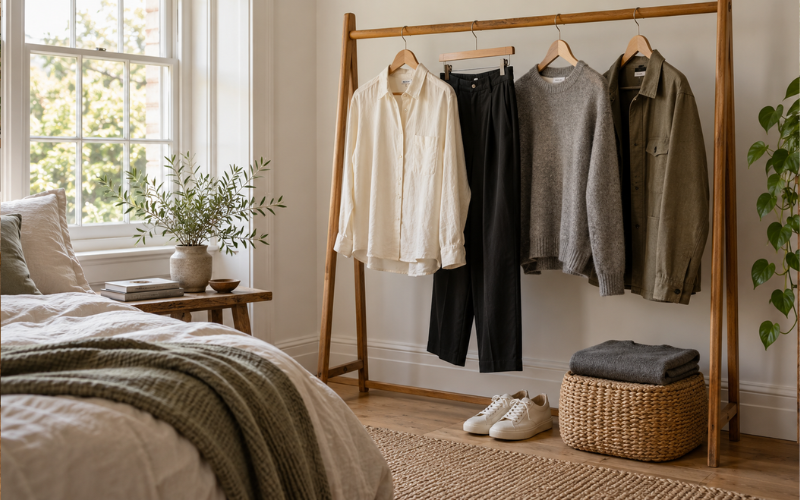
Minimalist clothing is a thoughtful way to dress with fewer pieces that work well together. Instead of filling your closet with clothes for every possible occasion, you choose items that suit your routine, feel comfortable, and can be worn in several ways. A simple wardrobe can make getting dressed easier while still leaving room for personal style.
Minimalism does not mean wearing only black and white, buying expensive labels, or throwing away clothes you enjoy. It is about being more intentional with what you own. Your wardrobe might include bright colors, prints, relaxed clothes, or formal outfits if those choices fit your life.
The right approach depends on your daily activities, climate, preferences, and budget. This guide explains what minimalist clothing means, how to choose useful pieces, and how to create outfits that feel like you. It also covers shopping, fabric choices, seasonal changes, and care so your clothes can serve you well over time.
What Minimalist Clothing Means
Minimalist clothing is less about following a strict fashion rule and more about making considered choices. A minimalist wardrobe contains pieces you actually wear and feel good in. Many of them can be combined with other items, but each should still have a clear place in your life.
For one person, that might mean a small collection of comfortable work clothes in neutral colors. For another, it could include colorful tops, a few patterned skirts, and practical shoes. The number of pieces is not the main measure. What matters is whether the clothes meet your needs without leaving your closet crowded with items you rarely choose.
This approach can also help you notice why you buy clothes. You might choose something because it fills a real gap, works for several settings, or brings you lasting enjoyment. That is different from buying an item only because it is on sale or popular at the moment.
Minimalist clothing does not require a complete closet clear-out. You can begin with what you already own and make changes gradually. Keeping clothes you enjoy is part of creating a wardrobe that feels personal rather than following someone else’s idea of simplicity.
The Key Features of a Minimalist Wardrobe
A useful minimalist wardrobe tends to reflect the owner’s real routine. If you walk often, comfortable shoes and easy-to-layer clothes may matter more than formal pieces. If your job requires polished outfits, that part of your wardrobe may need more attention. Clothing should support your days as they are, not an imagined lifestyle.
Versatility is helpful, but it does not mean every item must work for every occasion. A shirt that can be worn with jeans or trousers is versatile. So is a coat that suits both weekday errands and weekend plans. Some pieces, such as a winter coat or a special-occasion outfit, may be used less often and still be worth keeping.
A sense of fit and comfort is another important feature. Clothes that pinch, need constant adjustment, or feel wrong for your usual activities are less likely to be worn. A smaller wardrobe works best when the pieces are comfortable enough to reach for regularly.
Finally, a minimalist wardrobe can change over time. Your work, health, climate, interests, and budget may shift. Treating your wardrobe as something you can adjust makes it easier to keep useful clothes without turning minimalism into a fixed set of rules.
Choosing Colors That Work Well Together
A coordinated color palette can make it easier to combine clothes, but there is no single palette required for minimalist clothing. You might start with colors you already wear often. If most of your clothes are navy, brown, or cream, those shades can form a useful base. If you prefer green, red, or soft pastels, build around those instead.
Many people find it practical to choose a few main colors and add smaller amounts of accent colors. The main colors can appear in trousers, skirts, jackets, and other pieces you wear often. Accent colors can bring variety through tops, scarves, or accessories. This approach can help outfits feel connected without making them look identical.
Think about how a new color works with the clothes you own, rather than judging it on its own. A jacket may look appealing in a store but be difficult to wear if it clashes with most of your shoes and trousers. Consider the combinations you can make before buying it.
Patterns can also fit into a minimalist wardrobe. A striped shirt, a floral skirt, or a checked jacket can add interest when you enjoy wearing them. You do not need to avoid prints; simply choose patterns that suit your taste and can be paired with enough of your other clothes.
Finding Versatile Clothing for Everyday Wear
Versatile clothes are useful because they can be worn in more than one way. A button-up shirt might work open over a T-shirt, tucked into trousers, or worn with a skirt. A simple dress may suit daily errands with flat shoes and feel more formal with a jacket. The best examples are those that match your actual plans.
Start by noticing the clothes you reach for most. These can show you what works for your comfort, preferred shapes, and routine. You might find that you wear soft layers, practical pockets, or shoes that are easy to walk in. Looking at your habits provides a more reliable starting point than copying a generic list of wardrobe essentials.
It can help to think in terms of clothing roles. Everyday tops, comfortable bottoms, outer layers, shoes, and clothes for work or events each serve different purposes. You do not need the same number of items in each group. If you wear a uniform for work, you may need fewer office clothes. If you attend formal events often, a suitable outfit may deserve a place in your wardrobe.
Before adding a supposedly versatile item, ask whether it works with clothes you already own and whether you would wear it in at least a few realistic situations. A piece is only useful if its versatility fits your life.
Building a Minimalist Wardrobe Step by Step
Begin by looking through your current wardrobe. You do not have to remove everything at once. Notice which pieces you wear often, which feel comfortable, and which are difficult to pair with anything else. Clothes that are unworn may have a clear reason: they may not fit, suit your routine, or feel right anymore.
Set aside items that need repair or a different fit, if you are likely to address those issues. Be honest about whether you will wear them after a repair or alteration. If you keep clothes only because they might be useful someday, they can take up space without helping your everyday wardrobe.
Next, identify practical gaps. Perhaps you need a warmer layer, comfortable shoes, or another work-appropriate top. Write down what would make getting dressed easier, then give yourself time to see whether the need remains. This pause can prevent replacing one kind of clutter with another.
When you shop, look for items that fill those gaps and work with what you own. Consider comfort, care needs, and how often you are likely to wear the piece. Building slowly gives you a chance to learn from each purchase and keep your choices aligned with your budget.
Creating More Outfits With Fewer Pieces
Creating more outfits does not mean finding endless combinations for every item. It means making sure the pieces you own can work together in ways you enjoy. A top that pairs with several bottoms can be more useful than one that only works with a single outfit.
Try combining a familiar item with something you wear less often. A blazer could make a casual outfit feel more polished, while a simple cardigan may make a dress more comfortable for daily use. Shoes, belts, and other accessories can also change the feel of an outfit without requiring a large wardrobe.
It helps to consider layers. A base layer, an outer shirt or sweater, and a coat can make one outfit suitable for changing temperatures. Layers also let you adjust during the day, which is useful when moving between indoor and outdoor spaces.
If an outfit feels awkward, think about what is causing the problem. The pieces may not fit well together, the fabric weights may feel uncomfortable, or the outfit may not suit the occasion. There is no need to force every possible combination. Minimalist clothing should make dressing simpler, not turn it into a daily puzzle.
Choosing Fabrics, Fit, and Quality
Fabric affects how clothing feels, moves, and holds up. Cotton is often easy to wear and widely available. Linen can feel light in warm weather but may wrinkle. Wool can provide warmth, while some synthetic fabrics dry quickly or stretch. Each material has strengths and care needs, so the best choice depends on the garment and how you plan to use it.
Check the care label before buying. A piece that requires special cleaning may not fit your routine or budget, even if it looks appealing. Frequent washing can also affect some fabrics, so consider whether the item will be practical for regular wear.
Fit matters as much as fabric. Clothes should allow you to sit, walk, reach, and move comfortably. A style does not need to be tight or loose to count as minimalist; it should feel right on your body and suit how you like to dress. If a piece fits well in one area but not another, a small alteration may help when it is affordable and worthwhile.
Quality is not simply a high price tag. Look at the stitching, seams, closures, and fabric feel. Consider how often you will wear the item and how long you would reasonably like it to last. A well-made piece can be a sound choice, but affordable clothing can also serve you well when it suits your needs and is cared for properly.
Minimalist Clothing for Different Lifestyles and Seasons
A minimalist wardrobe should reflect the weather where you live. Someone in a warm climate may rely on breathable tops and light layers, while someone in a colder region may need coats, sweaters, and weather-ready shoes. Seasonal changes do not mean your wardrobe has failed. They are part of dressing for your environment.
Layering can help reduce the need for separate outfits for every temperature. A lighter shirt can work under a sweater, and a coat can add warmth outside. Store seasonal clothing in a clean, dry place when you are unlikely to wear it, while keeping items for the current season easy to reach.
Lifestyle matters just as much. A parent, student, remote worker, office employee, and frequent traveler may all need different clothing. If you spend much of the day at home, comfortable clothes may be central to your wardrobe. If you travel for work, easy-care pieces may be more useful.
There is no need to build a wardrobe around a standard capsule list. Use the categories and quantities that make sense for your schedule, laundry habits, climate, and personal preferences. A wardrobe that suits your life will be easier to wear and maintain.
Shopping Thoughtfully and Avoiding Unnecessary Purchases
Before buying something, consider why you want it and where you will wear it. If the answer is vague, wait a few days and see whether you still want it. A pause can help separate a genuine need from the excitement of a sale or a new trend.
Try to picture the item with clothes you already own. If it requires several new purchases to make it wearable, it may not be the practical addition you first imagined. Check the fit and comfort carefully, and consider whether the fabric and care instructions suit your routine.
Your budget deserves the same attention as style. Minimalist clothing does not require replacing inexpensive clothes with costly ones. Spend according to your circumstances and priorities. If you choose to invest in an item, focus on pieces you expect to wear often and that meet your needs.
Shopping secondhand, repairing clothes, or buying from different price ranges can all fit a thoughtful approach. There is no single correct way to shop. The goal is to make choices you can feel comfortable wearing and maintaining.
Caring for Clothes So They Last Longer
Good clothing care can help keep a wardrobe useful. Follow the care label, use a suitable wash setting, and avoid washing clothes more often than they need. Some items can be aired out between wears, while others should be cleaned after regular use. When in doubt, check the garment’s instructions.
Treat stains as soon as practical, using a method suited to the fabric. Store clean clothes in a dry space, and make sure garments are fully dry before putting them away. Hangers can help some items keep their shape, while folded storage may be better for heavy sweaters.
Small repairs can prevent minor damage from becoming a reason to stop wearing a piece. Replacing a button, fixing a loose seam, or repairing a small tear may be straightforward. For more complex repairs, consider the cost and whether the item is valuable to you before deciding what to do.
Care also includes knowing when an item no longer serves you. If it is uncomfortable, damaged beyond repair, or no longer fits your routine, you can decide whether to alter, pass along, recycle, or dispose of it responsibly where possible.
Common Minimalist Wardrobe Mistakes to Avoid
One common mistake is treating minimalism as a strict number of items. A small wardrobe is not automatically more useful than a larger one. If it lacks clothes you need, it may make daily life harder. Choose a size that feels manageable and practical for you.
Another mistake is buying a set of supposed essentials without considering personal style. A white shirt, black trousers, or denim jacket may be useful to some people, but none is required. If you dislike wearing an item, it is unlikely to become a dependable part of your wardrobe.
It is also easy to focus on neutral colors because they are often associated with minimalist clothing. But a wardrobe with only neutral shades may feel dull if you enjoy color. Keep the tones and patterns that make you feel like yourself.
Finally, avoid replacing too much at once. A sudden clear-out may leave you without clothes you need and lead to rushed purchases. Gradual changes allow you to understand what is missing and make choices with more confidence.
Conclusion
Minimalist clothing is a personal way to make a wardrobe simpler and more useful. It can mean choosing fewer pieces, but the real aim is to keep clothes that suit your style, comfort, climate, budget, and everyday routine. A thoughtful wardrobe may be neutral or colorful, small or moderate in size, and built over time.
Start with the clothes you already wear. Notice what works, identify genuine gaps, and add new pieces with care. When your clothing feels easy to combine and comfortable to wear, minimalist clothing can make getting dressed simpler without taking away the individuality that makes your style yours.
FAQs
1. What is minimalist clothing?
Minimalist clothing is a thoughtful approach to dressing with pieces you wear and enjoy. Many items can be combined in different ways, but there is no required number of clothes or strict style.
2. Does a minimalist wardrobe have to use neutral colors?
No. Neutrals can be easy to combine, but color and patterns can belong in a minimalist wardrobe. Choose shades you enjoy wearing and that work with other pieces you own.
3. How many pieces should a minimalist wardrobe have?
There is no ideal number. The right amount depends on your routine, climate, laundry habits, work needs, and personal preferences.
4. How can I start dressing more minimally without replacing my clothes?
Begin by reviewing what you own and noticing which pieces you wear most. Identify practical gaps, then make gradual changes instead of clearing out your wardrobe all at once.
5. Is minimalist clothing expensive?
It does not have to be. You can build a minimalist wardrobe at different price points by choosing practical pieces, shopping within your budget, and caring for the clothes you already own.